

Baroda Baroda 4 annas, 1894-1895
Description:
4 annas Baroda 4 annas, 1894-1895 coin from Baroda. Design, history & value.
1. Introduction
The Baroda 4 Annas coin minted between 1894 and 1895 holds a significant place in numismatic history. Issued by the Baroda State, this coin is a remarkable example of the region's rich coinage tradition.
2. Historical Background
The Baroda State, located in present-day Gujarat, India, was a princely state that issued its own coinage during the late 19th and early 20th centuries. The 4 Annas denomination was commonly used for everyday transactions in the region, reflecting the economic landscape of the time.
3. Design Features
The obverse of the coin features the inscription "श्री सयाजीराव.म.गायकवाड" in Devanagari script, representing the ruler Sayajirao III. The reverse displays the symbol "आणे," adding a cultural touch to the design.
4. Technical Specifications
This silver coin has a standard size and weight for a 4 Annas denomination. The composition of silver adds to its appeal and historical value. Collectors often look for coins in good condition with clear inscriptions and designs.
5. Collectible Value
The Baroda 4 Annas 1894-1895 coin is sought after by collectors due to its historical significance and unique designs. Its market value can vary based on factors such as rarity, condition, and demand among collectors. Those interested in Indian numismatics often consider this coin a valuable addition to their collection.
6. Conclusion
In conclusion, the Baroda 4 Annas coin from 1894-1895 is not just a piece of currency but a symbol of a bygone era. Its intricate designs and historical importance make it a prized possession for collectors and enthusiasts alike. Owning this coin allows one to hold a piece of Baroda's rich numismatic heritage in their hands. By delving into the detailed history, designs, and value of the Baroda 4 Annas 1894-1895 silver coin, one can truly appreciate its significance in the world of numismatics.
Coin Images
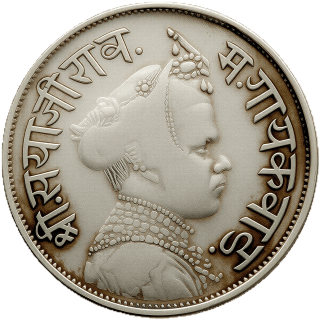 Obverse
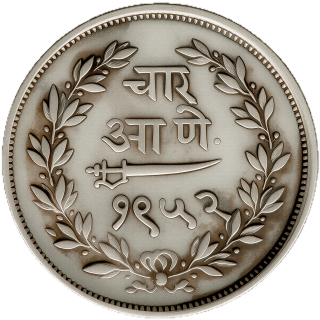 Reverse

ScanMyCoin: AI Coin Recognition
Professional AI coin recognition and collection management platform. Identify, learn, and track your coin collection with advanced AI technology and a vast.