

Baden Baden 6 kreuzer, 1809-1813
Description:
6 kreuzer Baden 6 kreuzer, 1809-1813 coin from Baden. Design, history & value.
Introduction
The Baden 6 kreuzer coin, minted between 1809 and 1813, holds a significant place in numismatic history due to its association with the Grand Duchy of Baden. This silver coin stands as a testament to the rich heritage of the region and the craftsmanship of the time.
Historical Background
Issued by the Grand Duchy of Baden, the 6 kreuzer coin was a part of the monetary system during the early 19th century. Baden, located in present-day Germany, established itself as a prominent state with a distinctive coinage system that reflected its sovereignty and economic strength.
Coin Images
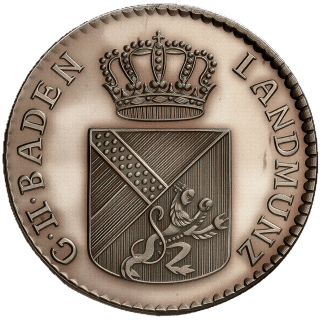 Obverse
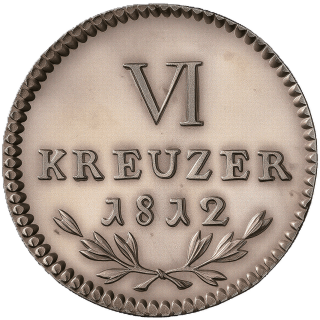 Reverse
Design Features
The obverse of the coin features the inscription "G:H:BADEN / LANDMÜNZ" around the edge, emphasizing the coin's origin in Baden. The reverse side displays the denomination "VI KREUZER" in a clear and bold manner, making it easily identifiable.
Technical Specifications
This 6 kreuzer coin is composed of silver with a fineness of 0.375. It weighs 2.35 grams and has a diameter of 22.00mm, making it a compact yet valuable piece of numismatic history.
Collectible Value
The Baden 6 kreuzer coin from 1809-1813 carries both historical and collectible significance. Its limited mintage and association with the Grand Duchy of Baden make it a sought-after item among coin collectors. The market value of this coin can vary based on its condition, rarity, and demand in the numismatic community.
Conclusion
In conclusion, the Baden 6 kreuzer silver coin minted between 1809 and 1813 serves as a tangible link to the past, offering collectors a glimpse into the history and artistry of the Grand Duchy of Baden. Its unique design, historical relevance, and collectible value make it a prized possession for numismatists and enthusiasts alike. Embrace the allure of this exquisite coin and add a piece of Baden's legacy to your collection.

ScanMyCoin: AI Coin Recognition
Professional AI coin recognition and collection management platform. Identify, learn, and track your coin collection with advanced AI technology and a vast.