

Baden Baden 1 kreuzer, 1809-1812
Description:
1 kreuzer Baden 1 kreuzer, 1809-1812 coin from Baden. Design, history & value.
Introduction
The Baden 1 kreuzer coin, struck between 1809 and 1812, holds a significant place in the numismatic history of the Grand Duchy of Baden. This copper coin not only serves as a testament to the region's monetary system during the early 19th century but also showcases exquisite craftsmanship and design elements that appeal to collectors worldwide.
Historical Background
During the early 19th century, Baden, a German state, issued a series of coins to facilitate trade and commerce within its borders. The 1 kreuzer denomination was a crucial part of this monetary system, catering to everyday transactions among the populace. The period between 1809 and 1812 marked a time of political and economic change in Baden, further adding to the historical significance of these coins.
Coin Images
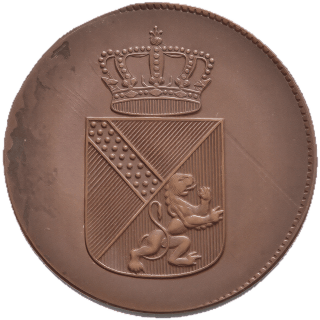 Obverse
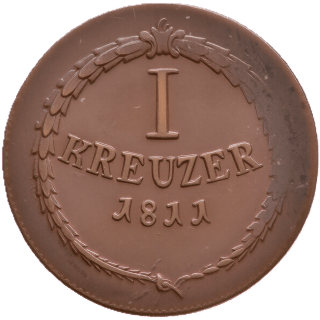 Reverse
Design Features
The obverse of the Baden 1 kreuzer coin features the distinctive coat of arms of Baden, surrounded by intricate details such as crowns symbolizing the region's royal heritage. On the reverse side, the denomination "I KREUZER" is prominently displayed, emphasizing the coin's face value. The designs are a fine example of the artistic prowess prevalent in coin minting during that era.
Technical Specifications
This 1 kreuzer coin from Baden is crafted from copper, weighing approximately 6.77 grams and measuring 24.50mm in diameter. The choice of copper as the composition metal speaks to the practicality and durability of these coins for everyday transactions. The standardized specifications ensured uniformity across the coinage system.
Collectible Value
In the numismatic world, the Baden 1 kreuzer coin is highly sought after by collectors due to its historical significance and unique design elements. The market value of these coins can vary based on factors such as condition, rarity, and demand among collectors. As a piece of the Grand Duchy of Baden's coinage history, owning a 1 kreuzer coin can be a valuable addition to any collection.
Conclusion
The Baden 1 kreuzer copper coin minted between 1809 and 1812 stands as a testament to Baden's numismatic heritage and the artistry of coin minting during that era. Its historical significance, coupled with its unique design features, makes it a prized possession for collectors and enthusiasts alike. By understanding the value and significance of this coin, one can truly appreciate its place in the rich tapestry of numismatics. By following this structured approach, you can create an engaging and informative article that caters to both seasoned collectors and those new to the world of numismatics.

ScanMyCoin: AI Coin Recognition
Professional AI coin recognition and collection management platform. Identify, learn, and track your coin collection with advanced AI technology and a vast.