

Badakhshan, City of 1 Falus
Description:
1 Falus 1 Falus coin from Badakhshan, City of. Design, history & value.
[SEO TITLE]: Discover the 1 Falus Coin from Badakhshan: A Historical Gem [SEO DESCRIPTION]: Explore the unique 1 Falus coin from Badakhshan, 1883-1885. [KEYWORDS]: 1 Falus coin, Badakhshan currency, copper coin, 1883 coin, numismatics, coin collecting, historical coin
Introduction
The 1 Falus coin from the city of Badakhshan is a captivating piece of numismatic history that draws the interest of collectors and historians alike. Minted between 1883 and 1885, this copper coin offers a glimpse into the region's rich past and the cultural significance of coinage as a reflection of authority and economy. With its unique design and historical context, the 1 Falus stands as a testament to the era it represents.
Historical Background
The issuance of the 1 Falus coin occurred during a time of significant transformation in the region of Badakhshan, located in present-day northeastern Afghanistan. The city, a historically strategic location, was known for its vibrant trade routes and cultural exchanges. As a part of local currency, the 1 Falus served not only as a medium of exchange but also as a symbol of the city's autonomy and craftsmanship. During the late 19th century, the geopolitical landscape was marked by the Great Game—an era of political and territorial rivalry between the British Empire and Tsarist Russia. The minting of the 1 Falus coin reflects the local response to these external pressures, as cities like Badakhshan sought to assert their economic independence and maintain regional stability.
Coin Images
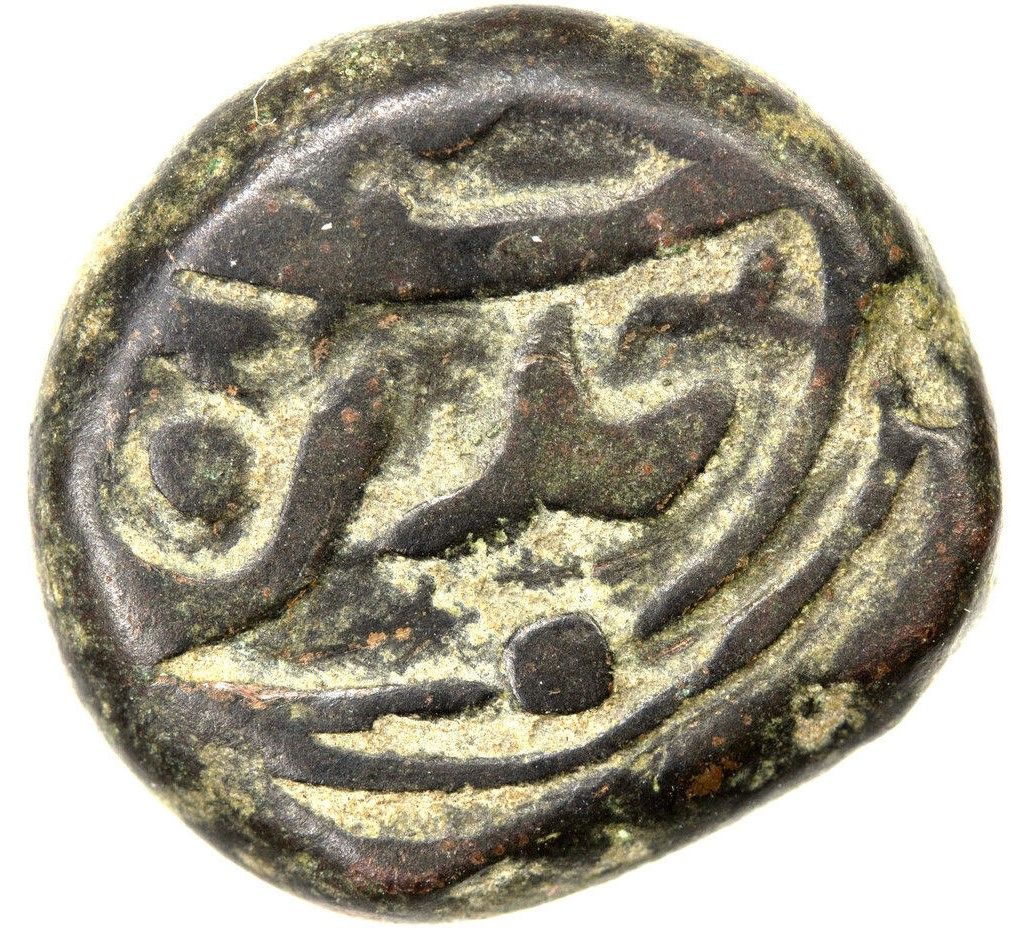 Obverse
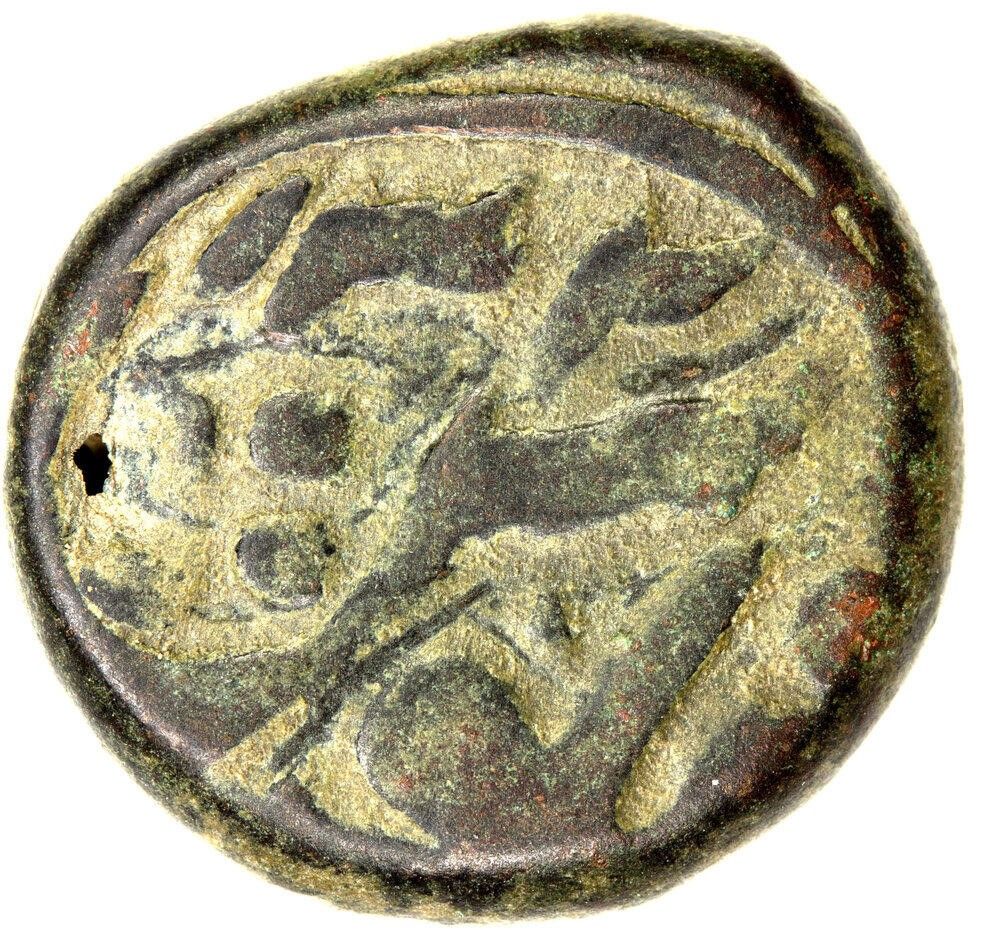 Reverse
Design Features
Images of the coin will be provided here. The 1 Falus coin is renowned for its simplistic yet significant design, which features inscriptions on both the obverse and reverse sides. Although the exact inscriptions can vary, they typically include stylized script indicative of the issuing authority and the denomination. This minimalist approach to design emphasizes the coin's functionality and the cultural aesthetics of the period. The inscriptions are artistically engraved, showcasing the skill of the minting craftsmen. The design serves as both a practical tool for economic transactions and a piece of cultural expression, encapsulating the essence of Badakhshan's numismatic art.
Technical Specifications
The 1 Falus coin is composed of copper, a material commonly used in coinage due to its availability and durability. It weighs approximately 3.30 grams and has a diameter of 14.70 millimeters, making it a small yet significant piece of currency. These dimensions were typical for coins of the era, balancing portability with value. The coin's copper composition not only ensured its widespread use but also its endurance through time, allowing modern collectors to appreciate its historical significance and craftsmanship.
Collectible Value
For numismatists and collectors, the 1 Falus coin from Badakhshan holds considerable appeal. Its historical context, combined with its limited minting period from 1883 to 1885, adds an element of rarity. The coin's condition, historical provenance, and the intricacy of its inscriptions all play crucial roles in determining its market value. Collectors often seek coins like the 1 Falus for their historical narratives and the connection they forge with the past. As such, this coin is not only a tangible asset but also a piece of history that enriches any collection. Its value can fluctuate based on market demand, availability, and the coin's state of preservation.
Conclusion
The 1 Falus coin from Badakhshan is more than just a relic of the past; it is a symbol of cultural heritage and historical significance. From its inception during a period of geopolitical tension to its simple yet profound design, the coin embodies the resilience and artistry of its time. For collectors, historians, and enthusiasts, this coin represents a unique opportunity to own a piece of history—a window into the world of 19th-century Badakhshan. Its enduring legacy continues to captivate those who seek to understand the intricate tapestry of human civilization through the lens of numismatics.

ScanMyCoin: AI Coin Recognition
Professional AI coin recognition and collection management platform. Identify, learn, and track your coin collection with advanced AI technology and a vast.