

Austria Austria 60 kreuzer, 1560-1564
Description:
60 kreuzer Austria 60 kreuzer, 1560-1564 coin from Austria. Design, history & value.
Introduction
The Austria 60 kreuzer coin minted between 1560 and 1564 holds a significant place in numismatic history. Issued by Austria, this silver coin is a remarkable piece from the Holy Roman Empire era, admired for its intricate design and historical importance.
Historical Background
During the 16th century, Austria, as part of the Holy Roman Empire, issued various denominations of coins to facilitate trade and commerce. The 60 kreuzer coin, bearing the name of Ferdinand I, served as a symbol of the empire's economic prowess and political influence during that period.
Coin Images
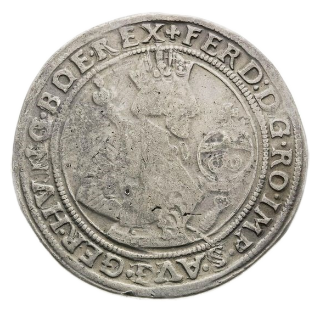 Obverse
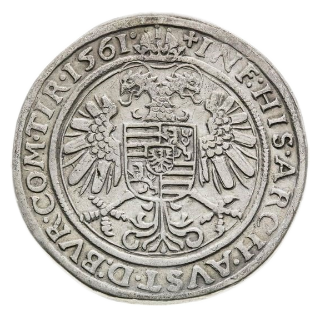 Reverse
Design Features
The obverse of the Austria 60 kreuzer coin features the inscription "60 / FERD D G RO IMP S AVG GER HVNH BOE REX," highlighting the rule of Ferdinand I as the Holy Roman Emperor and King of Bohemia. The reverse showcases the text "INF HISP ARCH AVST D BVR COM TIR," denoting Ferdinand I's titles and territories.
Technical Specifications
This silver coin weighs 24.37 grams and has a diameter of 28.00mm, making it a substantial piece in terms of size and weight. The composition of silver adds to its allure and historical value, reflecting the economic stability of the Holy Roman Empire during the 16th century.
Collectible Value
The Austria 60 kreuzer coin from 1560-1564 is highly sought after by collectors due to its historical significance and intricate design. Its rarity and connection to the Holy Roman Empire make it a prized addition to any numismatist's collection. In the market, this coin commands a significant value, especially in well-preserved conditions, attracting both novice and seasoned collectors alike.
Conclusion
In conclusion, the Austria 60 kreuzer silver coin minted between 1560 and 1564 stands as a testament to the rich numismatic history of the Holy Roman Empire. Its unique design, historical importance, and collectible value make it a must-have for enthusiasts of ancient coins. Owning this piece not only adds a touch of history to any collection but also serves as a tangible link to the fascinating past of Austria and the Holy Roman Empire.

ScanMyCoin: AI Coin Recognition
Professional AI coin recognition and collection management platform. Identify, learn, and track your coin collection with advanced AI technology and a vast.