

Austria Austria 5 corona, 1909
Description:
5 corona Austria 5 corona, 1909 coin from Austria. Design, history & value.
1. Introduction
The Austria 5 corona 1909 coin holds a special place in numismatic history due to its association with the Austro-Hungarian Empire and its intricate design. This silver coin is a testament to the craftsmanship and artistry of the time.
2. Historical Background
Issued by Austria in 1909, the 5 corona coin was part of the Austro-Hungarian krone currency system that was in use from 1892 to 1918. The coin bore the portrait of Emperor Franz Joseph I, who reigned over Austria-Hungary for several decades.
3. Design Features
The obverse of the coin features the detailed portrait of Emperor Franz Joseph I surrounded by the inscription "FRANC IOS I D G IMP AVSTR REX BOH GAL ILL ETC ET AP REX HVNG." The reverse showcases the denomination "5 COR" and "QUINQUE CORONÆ" in a decorative manner.
4. Technical Specifications
This silver coin weighs 24.00g and has a diameter of 36.00mm. It is composed of 90% silver, reflecting the high-quality standards of coinage during that period. The coin's specifications add to its appeal among collectors and investors.
5. Collectible Value
The Austria 5 corona 1909 coin holds both historical and collectible significance. Its rarity and historical background contribute to its market value, making it a sought-after piece among numismatists. Collectors value this coin for its link to the Austro-Hungarian Empire and its intricate design elements.
6. Conclusion
In conclusion, the Austria 5 corona 1909 silver coin stands as a symbol of the rich history of the Austro-Hungarian Empire. Its exquisite design, historical significance, and collectible value make it a prized possession for coin collectors worldwide. Owning this coin not only adds a valuable piece to a collection but also connects one to a bygone era of European history. By delving into the details of the Austria 5 corona 1909 coin, collectors and enthusiasts can appreciate the craftsmanship and historical context encapsulated within this numismatic treasure.
Coin Images
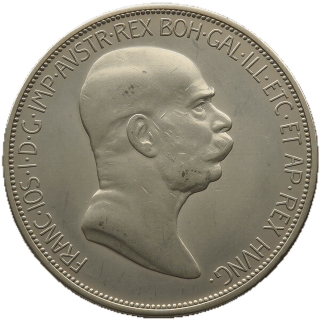 Obverse
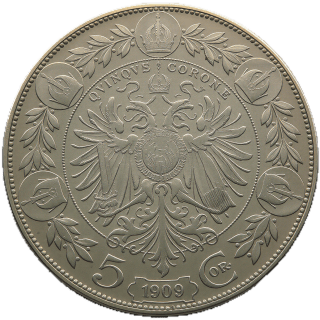 Reverse

ScanMyCoin: AI Coin Recognition
Professional AI coin recognition and collection management platform. Identify, learn, and track your coin collection with advanced AI technology and a vast.