

Austria Austria 2 thaler, 1621
Description:
2 thaler Austria 2 thaler, 1621 coin from Austria. Design, history & value.
Introduction
The Austria 2 thaler 1621 coin is a true numismatic treasure, representing a significant era in Austrian history. This silver coin, issued in 1621, under the reign of Ferdinand II, is a captivating piece that holds both historical and artistic value.
Historical Background
During the early 17th century, Austria, as part of the Holy Roman Empire, was a major political and economic power in Europe. The issuance of the 2 thaler coin in 1621 was a testament to the wealth and influence of the Austrian Empire under the rule of Ferdinand II. These coins played a crucial role in facilitating trade and commerce within the empire and beyond.
Coin Images
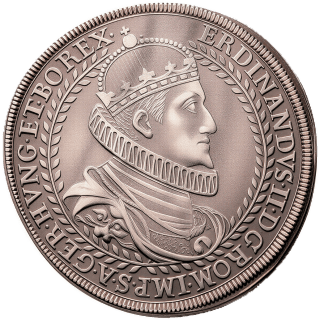 Obverse
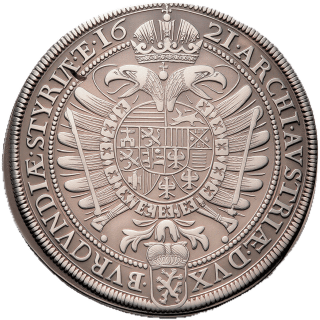 Reverse
Design Features
The obverse of the coin features the inscription "FERDINANDVS II D G ROM IMP S A GER HVNG ET BO REX," showcasing Ferdinand II's titles as the Holy Roman Emperor, King of Germany, Hungary, and Bohemia. The reverse design displays "ARCHI AVSTRIÆ DVX BVRGVNDIÆ STYRIÆ ET," highlighting Ferdinand II's position as the Archduke of Austria, Duke of Burgundy, Styria, and more.
Technical Specifications
This Austria 2 thaler 1621 coin has a weight of 57.20g and a diameter of 48.00mm, making it a substantial piece of silver currency. The composition of silver adds to its allure and value for collectors and historians alike.
Collectible Value
The Austria 2 thaler 1621 coin holds significant value in the numismatic world. Due to its historical importance and limited availability, this coin is highly sought after by collectors. Its rarity and intricate design contribute to its premium market value, making it a prized addition to any collection of coins from the Holy Roman Empire era.
Conclusion
In conclusion, the Austria 2 thaler 1621 silver coin stands as a remarkable symbol of Austrian history and numismatic artistry. With its exquisite design and historical significance, this coin is a must-have for both seasoned collectors and history enthusiasts. Owning a piece of this coin not only adds value to a collection but also offers a glimpse into the opulent past of the Holy Roman Empire under the reign of Ferdinand II.

ScanMyCoin: AI Coin Recognition
Professional AI coin recognition and collection management platform. Identify, learn, and track your coin collection with advanced AI technology and a vast.