

Austria Austria 2 pfennig, 1686-1701
Description:
2 pfennig Austria 2 pfennig, 1686-1701 coin from Austria. Design, history & value.
Introduction
The Austria 2 pfennig coin, minted between 1686 and 1701, holds a significant place in the numismatic history of the Holy Roman Empire. This silver coin is a testament to the rich heritage and intricate craftsmanship of coins from this era.
Historical Background
Issued by Austria, this coin was part of the currency system of the Holy Roman Empire, a vast and influential political entity in Central Europe during the 17th century. The 2 pfennig denomination was crucial for everyday transactions and trade within the empire, reflecting the economic dynamics of the time.
Coin Images
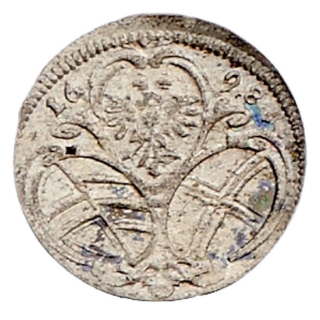 Obverse
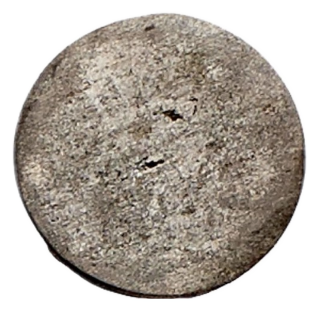 Reverse
Design Features
The obverse of the coin showcases the intricate coat of arms of Austria, symbolizing its authority and power during that period. On the reverse side, there is a legend yet to be deciphered, adding an air of mystery and intrigue to this historical artifact.
Technical Specifications
This silver coin weighs approximately 0.46g with a diameter of 15.00mm, making it a small yet valuable piece of currency from the Holy Roman Empire. Composed of billon, a silver alloy, this coin bears the marks of time and history.
Collectible Value
The Austria 2 pfennig coin from 1686-1701 holds significant value among numismatists and collectors due to its historical importance and rarity. Its market value can vary based on factors such as condition, minting year, and overall demand in the numismatic market. Collectors seek out this coin for its connection to the Holy Roman Empire and the artistry of its design.
Conclusion
In conclusion, the Austria 2 pfennig silver coin minted between 1686 and 1701 is a prized numismatic treasure that captures the essence of the Holy Roman Empire's monetary system. With its unique design, historical significance, and collectible value, this coin continues to intrigue collectors and enthusiasts alike, preserving a piece of European history for generations to come.

ScanMyCoin: AI Coin Recognition
Professional AI coin recognition and collection management platform. Identify, learn, and track your coin collection with advanced AI technology and a vast.