

Austria Austria 2 florin, 1866
Description:
2 florin Austria 2 florin, 1866 coin from Austria. Design, history & value.
Introduction
The Austria 2 florin 1866 coin holds a significant place in numismatic history, representing the Austro-Hungarian Empire's monetary system during the mid-19th century. This silver coin is cherished by collectors for its historical importance and unique design elements.
Historical Background
Issued by Austria in 1866, the 2 florin coin was part of the Austro-Hungarian gulden currency system, which was in circulation from 1857 to 1892. This period marked a time of political and economic transformation in Europe, making these coins a tangible link to a bygone era.
Coin Images
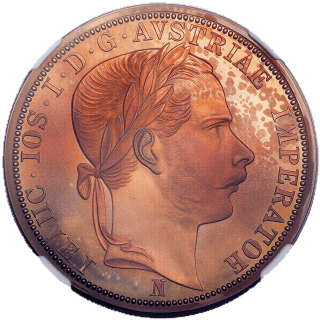 Obverse
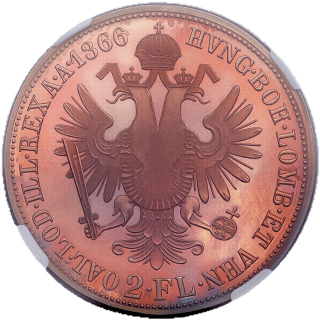 Reverse
Design Features
The obverse of the coin features the inscription "FRANC IOS I D G AVSTRIAE IMPERATOR," showcasing the effigy of Emperor Franz Joseph I of Austria. On the reverse side, the design includes the denomination "2 FL" and the territories under Austrian rule at the time, such as Hungary, Bohemia, Lombardy, Venetia, Galicia, and Lodomeria.
Technical Specifications
- Denomination: 2 florin
- Country/Issuer: Austria
- Year of Issue: 1866
- Composition: Silver 0.900
- Weight: 24.69g
- Diameter: 36.00mm
Collectible Value
The Austria 2 florin 1866 coin holds both historical and collectible significance, attracting numismatists worldwide. Due to its silver composition and limited mintage, this coin is sought after by collectors looking to add a piece of Austro-Hungarian history to their collection. Its market value may vary based on factors like condition, rarity, and demand in the numismatic market.
Conclusion
In conclusion, the Austria 2 florin 1866 silver coin is a prized numismatic piece that encapsulates the rich history of the Austro-Hungarian Empire. With its intricate design and historical context, this coin appeals to both collectors and history enthusiasts. Owning this coin not only adds value to a collection but also serves as a tangible connection to a fascinating era in European history.

ScanMyCoin: AI Coin Recognition
Professional AI coin recognition and collection management platform. Identify, learn, and track your coin collection with advanced AI technology and a vast.