

Austria Austria 2½ euro, 1998
Description:
2½ euro Austria 2½ euro, 1998 coin from Austria. Design, history & value.
Introduction:
The Austria 2½ euro coin, minted in 1998, holds a special place in numismatic history due to its denomination within the European Currency Unit (ECU) system. This copper-nickel coin not only showcases exquisite craftsmanship but also symbolizes a significant era in European monetary integration.
Historical Background:
Austria, as the issuing authority of this coin, participated in the ECU system from 1979 to 1998, fostering economic ties and paving the way for the Eurozone. The 2½ euro denomination reflects the diversity of currencies within the ECU before the adoption of the euro. This coin thus stands as a testament to a transitional period in European monetary history.
Coin Images
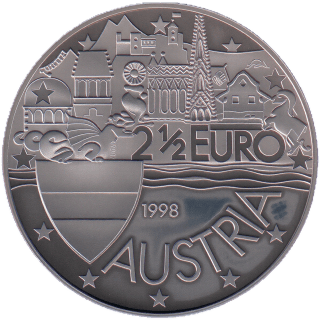 Obverse
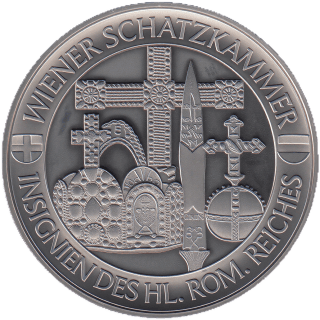 Reverse
Design Features:
The obverse of the coin features the year "1998" and the denomination "2 1/2 EURO" inscribed alongside the country name "AUSTRIA." On the reverse, one can admire the intricate design of the "INSIGNIEN DES HL. RÖM. REICHES" with the iconic "WIENER SCHATZKAMMER" motif, representing the treasures of the Holy Roman Empire housed in Vienna.
Technical Specifications:
This coin weighs 16.40 grams and has a diameter of 34.00mm, making it substantial yet manageable for collectors. Crafted from copper-nickel, it boasts a durable composition that preserves its beauty over time, adding to its appeal among numismatists.
Collectible Value:
The Austria 2½ euro 1998 coin holds both historical and collectible significance. Its association with the ECU period and unique design elements make it a sought-after piece among collectors. While its market value may vary based on factors like condition and rarity, its place in European monetary history ensures its enduring appeal.
Conclusion:
In conclusion, the Austria 2½ euro 1998 copper-nickel coin stands as a symbol of European economic integration and numismatic artistry. Its historical importance, coupled with its distinctive design, makes it a valuable addition to any coin collection. As a piece that bridges the gap between past currencies and the modern Eurozone, this coin holds a special place in the hearts of both collectors and enthusiasts of European history.

ScanMyCoin: AI Coin Recognition
Professional AI coin recognition and collection management platform. Identify, learn, and track your coin collection with advanced AI technology and a vast.