

Austria Austria 1 thaler, 1602-1612
Description:
1 thaler Austria 1 thaler, 1602-1612 coin from Austria. Design, history & value.
Title: Austria 1 Thaler 1602-1612 Silver Coin - Holy Roman Empire Denomination Description: Explore the exquisite Austria 1 Thaler coin from 1602-1612, a prized piece of the Holy Roman Empire's numismatic history. Keywords: Austria, 1 Thaler, 1602-1612, Silver coin, Holy Roman Empire, Rudolph II, Archiduces, Tirol Main Content:
Introduction
The Austria 1 Thaler coin minted between 1602 and 1612 holds a significant place in numismatic history, representing the esteemed Holy Roman Empire's coinage. This silver coin, bearing the portrait of Rudolph II, exudes both historical and artistic allure.
Historical Background
Issued by Austria, this 1 Thaler coin was part of the currency circulating during the Holy Roman Empire's era from 1608 to 1657. The reign of Rudolph II was characterized by a flourishing of arts and sciences, reflected in the coinage of the time.
Coin Images
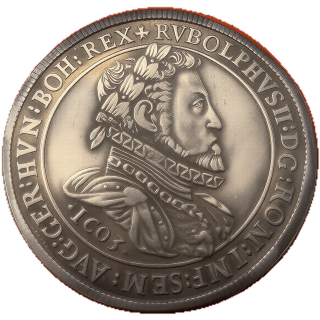 Obverse
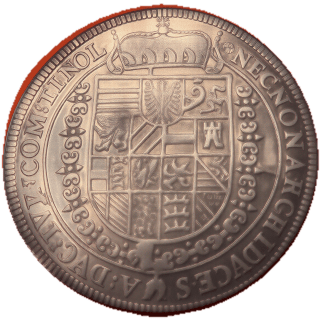 Reverse
Design Features
The obverse of the Austria 1 Thaler coin showcases the elaborate inscription "RVDOLPHVS II D G : ROM: IMP: SEM: AVG: GER: HVN: BOH: REX," highlighting Rudolph II's titles as the Holy Roman Emperor and King of Bohemia. On the reverse side, the coin displays "NECNON ARCHIDVCES A: DVC: BVR: COM: TIROL," signifying Rudolph II's position as Archduke of Austria, Duke of Burgundy, and Count of Tyrol.
Technical Specifications
This silver coin weighs 28.40 grams, with a diameter of 42.00mm, making it substantial and visually striking. The composition of silver adds to its intrinsic value and historical significance, appealing to both collectors and enthusiasts of medieval coinage.
Collectible Value
The Austria 1 Thaler coin from the early 17th century holds both historical and numismatic value. Its rarity, coupled with the intricate design and connection to Rudolph II's reign, makes it a sought-after piece among collectors. Depending on its condition and provenance, this coin can fetch a significant price in the numismatic market.
Conclusion
In conclusion, the Austria 1 Thaler coin from 1602-1612 stands as a testament to the rich history of the Holy Roman Empire and the artistic prowess of the era. Its intricate design, historical significance, and collectible value make it a prized possession for numismatists and history enthusiasts alike, preserving a piece of European heritage for generations to come.

ScanMyCoin: AI Coin Recognition
Professional AI coin recognition and collection management platform. Identify, learn, and track your coin collection with advanced AI technology and a vast.