

Austria Austria 1 pfennig, 1527-1536
Description:
1 pfennig Austria 1 pfennig, 1527-1536 coin from Austria. Design, history & value.
Introduction
The Austria 1 Pfennig coin minted between 1527 and 1536 holds a significant place in the numismatic history of the Holy Roman Empire. This silver coin offers a glimpse into the economic and political landscape of the region during the early 16th century. Let's delve into the intriguing features and historical background of this valuable piece.
Historical Background
Issued by Austria, this 1 Pfennig coin circulated within the Holy Roman Empire, a vast territory comprising various European regions under the rule of the Habsburg dynasty. During this period, coins played a crucial role in facilitating trade and commerce, reflecting the power and authority of the ruling entities.
Coin Images
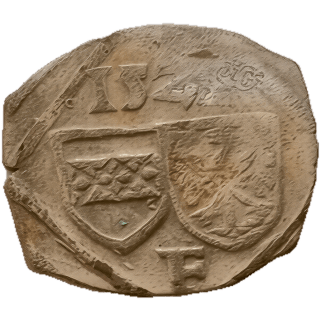 Obverse
 Reverse
Design Features
The obverse of the Austria 1 Pfennig coin showcases a detailed coat of arms, symbolizing the authority and lineage of the issuing authority. On the reverse side, a legend is inscribed, yet the exact meaning remains unknown. The enigmatic design adds to the allure and mystery surrounding this historical currency.
Technical Specifications
This silver coin weighs 0.40g and has a diameter of 14.00mm, making it a petite yet significant piece of currency from the 16th century. The composition of silver adds to its intrinsic value and historical appeal, attracting collectors and enthusiasts interested in the numismatic legacy of the Holy Roman Empire.
Collectible Value
Due to its historical significance and limited mintage period, the Austria 1 Pfennig coin from 1527-1536 holds considerable collectible value. Numismatists and historians alike treasure this coin for its rarity and connection to a pivotal era in European history. Its market value reflects both its material composition and the demand from collectors seeking to own a piece of the past.
Conclusion
In conclusion, the Austria 1 Pfennig silver coin minted between 1527 and 1536 stands as a testament to the numismatic heritage of the Holy Roman Empire. Its intricate design, historical context, and collectible value make it a prized possession for those passionate about coins and currency from the Renaissance period. Owning a piece of this ancient currency allows one to hold a tangible link to the past, preserving the legacy of a bygone era for generations to come.

ScanMyCoin: AI Coin Recognition
Professional AI coin recognition and collection management platform. Identify, learn, and track your coin collection with advanced AI technology and a vast.