

Austria Austria 100 kroner, 1923-1924
Description:
100 kroner Austria 100 kroner, 1923-1924 coin from Austria. Design, history & value.
1. Introduction
The Austria 100 Kroner gold coin minted between 1923 and 1924 during the First Republic period holds a significant place in numismatic history. Known for its exquisite design and historical importance, this coin attracts collectors and enthusiasts worldwide.
2. Historical Background
Issued by Austria in the early 1920s, the 100 Kroner coin symbolizes the country's economic recovery after the devastation of World War I. The use of gold in its composition reflects the stability and prestige of the Austrian economy during this period.
3. Design Features
The obverse of the coin features the inscription "REPUBLIK ÖSTERREICH," representing the Austrian Republic. On the reverse side, "100 KRONEN / 2952 KRONEN = 1 KILOGRAMM MÜNZGOLD (900/1000 FEIN)" signifies the coin's denomination and gold content.
4. Technical Specifications
- Denomination: 100 Kroner
- Composition: 90% Gold (0.900 fineness)
- Weight: 33.87 grams
- Diameter: 37.00 mm
- Category: First Republic (Krone) (1923 - 1924)
5. Collectible Value
Due to its historical significance and gold composition, the Austria 100 Kroner coin is highly sought after by collectors. Its rarity, coupled with the intrinsic value of gold, contributes to its premium in the numismatic market. Collectors value this coin for its blend of history, artistry, and precious metal content.
6. Conclusion
In conclusion, the Austria 100 Kroner 1923-1924 gold coin stands as a testament to Austria's resilience and economic stability post-World War I. Its exquisite design, historical context, and collectible value make it a prized possession for numismatists and history enthusiasts alike. By delving into the intricate details and significance of the Austria 100 Kroner gold coin, collectors can appreciate not just its monetary value but also its rich historical background and artistic merit. This coin serves as a tangible link to Austria's past and a valuable addition to any numismatic collection.
Coin Images
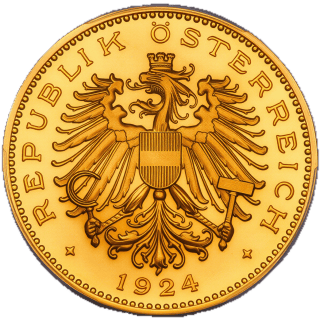 Obverse
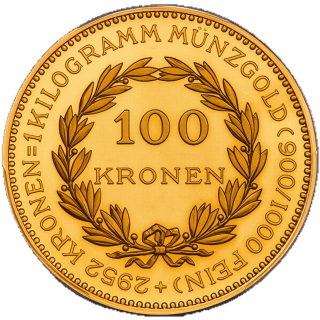 Reverse

ScanMyCoin: AI Coin Recognition
Professional AI coin recognition and collection management platform. Identify, learn, and track your coin collection with advanced AI technology and a vast.