

Angola Angola ½ macuta, 1762-1770
Description:
½ macuta Angola ½ macuta, 1762-1770 coin from Angola. Design, history & value.
Introduction:
The Angola ½ macuta copper coin minted between 1762 and 1770 holds a significant place in numismatic history. As a coin issued during Angola's time as a Portuguese colony, it reflects the colonial influences on the region's currency system. Let's delve into the historical background, intricate design features, technical specifications, and collectible value of this unique piece.
Historical Background:
During the period of Portuguese colonization (1693-1860), Angola, located in Southern Africa, was an important trading hub. The ½ macuta coin was part of the currency system used in the region, showcasing the economic ties between Angola and Portugal. These coins played a crucial role in facilitating trade and commerce in the colony.
Coin Images
 Obverse
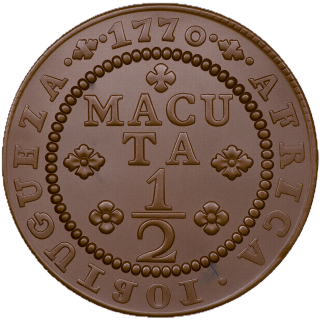 Reverse
Design Features:
The obverse of the Angola ½ macuta coin features the inscription "JOSEPHUS I D G REX P ET D GUINEÆ," indicating the royal authority of Joseph I over Guinea. On the reverse side, the coin displays "AFRICA PORTUGUEZA" above "MACUTA 1/2," denoting its connection to Portuguese-controlled Africa and the coin's denomination respectively.
Technical Specifications:
This copper coin weighs 19.00 grams and has a diameter of 36.00mm. The choice of copper as the composition metal was common for low denomination coins during this era. The size and weight of the coin contributed to its practicality in daily transactions within the colony.
Collectible Value:
The Angola ½ macuta coin is sought after by collectors due to its historical significance and limited availability. Its connection to Portuguese colonial history adds to its collectible value. Depending on the condition and rarity, these coins can fetch varying prices in the numismatic market, making them a valuable addition to any collection.
Conclusion:
In conclusion, the Angola ½ macuta copper coin from 1762-1770 is a testament to the rich history of Portuguese colonization in Africa. Its unique design, historical background, and collectible value make it a prized possession for both coin enthusiasts and historians. Owning this piece allows one to own a tangible piece of Angola's colonial past, making it a valuable addition to any numismatic collection.

ScanMyCoin: AI Coin Recognition
Professional AI coin recognition and collection management platform. Identify, learn, and track your coin collection with advanced AI technology and a vast.