

Angola Angola 2 macutas, 1815-1819
Description:
2 macutas Angola 2 macutas, 1815-1819 coin from Angola. Design, history & value.
Introduction
The Angola 2 Macutas coin, minted from 1815 to 1819, stands as a significant relic of the Portuguese colonial era in Africa. This copper coinage holds historical and numismatic value, captivating collectors and enthusiasts alike with its unique features.
Historical Background
During its issuance period, Angola was under Portuguese colonial rule, and the 2 Macutas coin served as a vital part of the local economy. These coins bore witness to the trade relations and financial transactions of the time, reflecting the influence of the Portuguese presence in Africa.
Coin Images
 Obverse
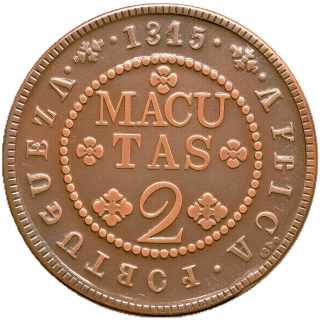 Reverse
Design Features
The obverse of the coin showcases the inscription "JOANNES D G PORT P REGENS ET D GUINEÆ," representing the Portuguese monarchy's authority in Guinea. On the reverse, "AFRICA PORTUGUEZA" encircles the denomination "MACUTAS 2," symbolizing the economic ties between Portugal and its African colonies.
Technical Specifications
This Angola 2 Macutas coin weighs 35.20g, with a diameter of 45.00mm, making it a substantial piece in both size and weight. Crafted from copper, the coin's composition adds to its durability and distinctive appearance.
Collectible Value
The Angola 2 Macutas coin holds significant collectible value among numismatists and historians. Its rarity, coupled with its historical significance, contributes to its desirability in the numismatic market. Collectors often seek this coin to add a piece of Portuguese colonial history to their collections.
Conclusion
In conclusion, the Angola 2 Macutas coin from 1815-1819 serves as a tangible link to the colonial past of Angola under Portuguese rule. Its unique design, historical context, and collectible value make it a prized possession for those interested in numismatics and the history of African colonial coinage. By delving into the intricacies of this copper coin, collectors and enthusiasts can appreciate the craftsmanship and historical significance encapsulated within the Angola 2 Macutas from the early 19th century.

ScanMyCoin: AI Coin Recognition
Professional AI coin recognition and collection management platform. Identify, learn, and track your coin collection with advanced AI technology and a vast.