

Algeria Algeria ⅙ budju, 1831-1836
Description:
⅙ budju Algeria ⅙ budju, 1831-1836 coin from Algeria. Design, history & value.
Introduction
The Algeria ⅙ Budju coin, minted between 1831 and 1836, holds a significant place in numismatic history. This silver coin offers a glimpse into the rich heritage of Algeria during the Algiers eyalet period.
Historical Background
During the early 19th century, Algeria was under Ottoman rule, leading to the issuance of coins like the ⅙ Budju. These coins were a crucial part of the monetary system in the region, reflecting the economic and political dynamics of the time.
Coin Images
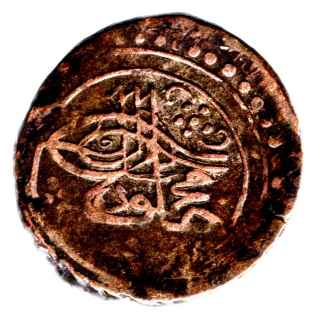 Obverse
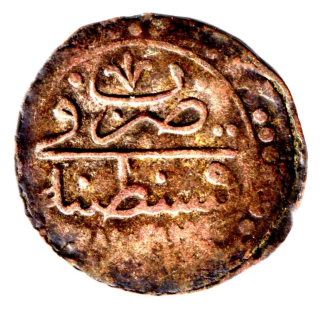 Reverse
Design Features
The obverse of the coin showcases a Tughra, a stylized signature of the ruling sultan or authority. On the reverse, intricate Arabic inscriptions including "فـ ضر ب" can be observed, adding to the coin's cultural and historical appeal.
Technical Specifications
The Algeria ⅙ Budju coin weighs 1.45g and has a diameter of 18.50mm, making it a small yet valuable piece of history. Crafted from silver, this coin's composition adds to its allure for collectors interested in precious metal coins.
Collectible Value
Due to its historical significance and limited mintage period, the Algeria ⅙ Budju coin is highly sought after by collectors worldwide. Its rarity and unique design elements contribute to its increasing collectible value over time.
Conclusion
In conclusion, the Algeria ⅙ Budju silver coin from 1831 to 1836 is not just a numismatic artifact but a representation of Algeria's past. With its intricate design, historical importance, and growing collectible value, this coin remains a prized possession for both collectors and enthusiasts of Algerian history. By following this structured format, you can create a detailed and SEO-friendly article that effectively showcases the unique features and value of the Algeria ⅙ Budju coin.

ScanMyCoin: AI Coin Recognition
Professional AI coin recognition and collection management platform. Identify, learn, and track your coin collection with advanced AI technology and a vast.