

Algeria Algeria ⅛ budju, 1808-1809
Description:
⅛ budju Algeria ⅛ budju, 1808-1809 coin from Algeria. Design, history & value.
1. Introduction
The Algeria ⅛ Budju coin minted between 1808 and 1809 holds a significant place in numismatic history. This silver coin showcases the artistry and historical context of the region during that era, making it a prized collectible for enthusiasts.
2. Historical Background
Issued in Algeria, part of the Algiers eyalet from 1774 to 1840, this ⅛ Budju coin represents a fascinating period in North African history. During the early 19th century, Algeria was undergoing political changes, and this coinage reflects the economic landscape of the time.
3. Design Features
The obverse and reverse designs of the Algeria ⅛ Budju coin feature intricate legends that provide a glimpse into the cultural and linguistic aspects of the region. The obverse side displays a mysterious legend awaiting further research to unveil its significance, while the reverse side mirrors a similar enigmatic inscription.
4. Technical Specifications
This silver coin weighs 1.61 grams and has a diameter of 16.00mm, showcasing the craftsmanship of the minting process during the early 19th century. The composition of silver adds to its allure as a valuable numismatic artifact.
5. Collectible Value
The Algeria ⅛ Budju coin holds both historical and collectible significance, contributing to its market value and desirability among coin collectors. Its rarity level further enhances its appeal, making it a sought-after piece for numismatists seeking unique additions to their collections.
6. Conclusion
In conclusion, the Algeria ⅛ Budju silver coin from 1808-1809 stands as a testament to the rich history and artistic heritage of North Africa. Its blend of historical importance, intricate design, and collectible value make it a prized possession for those passionate about numismatics. This coin not only represents a bygone era but also serves as a tangible link to the cultural tapestry of Algeria during a pivotal period in its history.
Coin Images
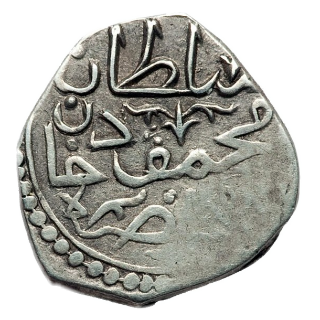 Obverse
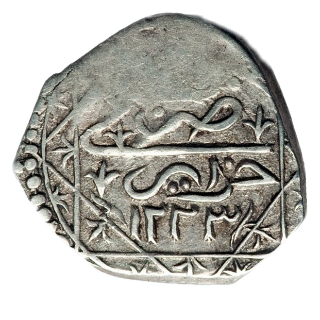 Reverse

ScanMyCoin: AI Coin Recognition
Professional AI coin recognition and collection management platform. Identify, learn, and track your coin collection with advanced AI technology and a vast.