

Afghanistan Afghanistan ½ rupee, 1856-1857
Description:
½ rupee Afghanistan ½ rupee, 1856-1857 coin from Afghanistan. Design, history & value.
Introduction
The Afghanistan ½ rupee coin minted between 1856 and 1857 stands as a testament to the rich numismatic history of the region. This silver coin not only embodies the historical significance of Afghanistan but also showcases exquisite craftsmanship that appeals to collectors worldwide.
Historical Background
Issued by the Afghan authority, this ½ rupee coin was minted during a period of political and cultural significance in the region. The coinage of Afghanistan during the mid-19th century reflects the country's economic ties and political developments with neighboring regions.
Coin Images
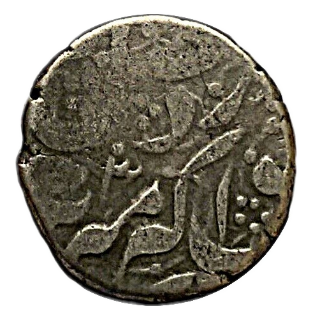 Obverse
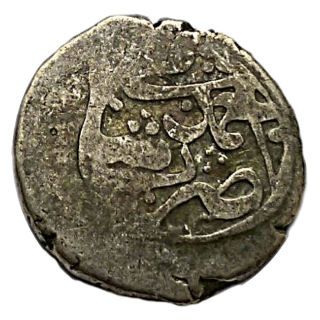 Reverse
Design Features
The obverse of the coin features a prominent legend, possibly inscribed in Persian or Arabic script, inviting further exploration to decipher its meaning and significance. The reverse side also displays a mysterious legend, adding an aura of intrigue to this historical artifact.
Technical Specifications
This silver coin weighs 5.00g and has a diameter of 19.00mm, making it a compact yet valuable piece in numismatics. The composition of silver adds to its allure and historical value, reflecting the monetary standards of the era.
Collectible Value
The Afghanistan ½ rupee coin from 1856-1857 holds significant value in the numismatic world due to its rarity and historical importance. Collectors prize this coin for its unique design, historical context, and scarcity, making it a coveted piece for enthusiasts and investors alike.
Conclusion
In conclusion, the Afghanistan ½ rupee silver coin minted between 1856 and 1857 is a precious relic that encapsulates the historical and cultural heritage of the region. Its rarity, exquisite design, and numismatic significance make it a prized possession for collectors seeking to own a piece of Afghan history. By delving into the intricate details and historical context of this coin, enthusiasts can appreciate its beauty and value in the realm of numismatics. The Afghanistan ½ rupee coin serves as a tangible link to the past, offering a glimpse into a bygone era of monetary history and cultural exchange.

ScanMyCoin: AI Coin Recognition
Professional AI coin recognition and collection management platform. Identify, learn, and track your coin collection with advanced AI technology and a vast.