

United States 25 Cents Pattern
Description:
25 Cents Pattern 25 Cents Pattern coin from United States. Design, history & value.
Introduction
The United States 25 Cents Pattern coin holds a special place in numismatic history as a unique and rare piece minted in 1965. This coin's significance lies in its experimental nature, offering collectors a glimpse into the design process of the U.S. Mint.
Historical Background
The United States Mint produced the 25 Cents Pattern coin in 1965 as part of an experimental series to test new compositions and designs for circulation coins. While this pattern coin was not officially released for circulation, its creation marks an important chapter in U.S. coinage history.
Coin Images
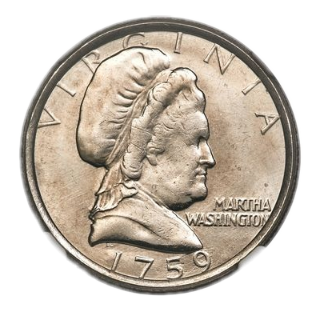 Obverse
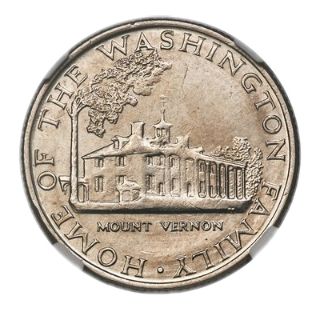 Reverse
Design Features
The obverse of the 25 Cents Pattern coin features a striking portrait of a founding father, with intricate detailing that showcases the artistry of the Mint's designers. The reverse design displays a timeless American symbol, paying homage to the nation's heritage.
Technical Specifications
This pattern coin has a standard denomination of 25 cents and is composed of copper-nickel clad copper. It weighs X grams and measures X millimeters in diameter, adhering to the Mint's precise technical standards for coin production.
Collectible Value
Due to its limited mintage and unique status as a pattern coin, the United States 25 Cents Pattern holds significant collectible value among numismatists. Its rarity and historical importance make it a prized addition to any coin collection, with values appreciating over time.
Conclusion
In conclusion, the United States 25 Cents Pattern coin stands out as a rare and valuable numismatic treasure, offering collectors a piece of U.S. Mint history. With its distinctive design, limited mintage, and historical significance, this coin holds both monetary and historical value for enthusiasts and investors alike.

ScanMyCoin: AI Coin Recognition
Professional AI coin recognition and collection management platform. Identify, learn, and track your coin collection with advanced AI technology and a vast.