

United Kingdom United Kingdom ½ penny, 1791
Description:
½ penny United Kingdom ½ penny, 1791 coin from United Kingdom. Design, history & value.
Introduction
The United Kingdom 1791 ½ penny coin is a remarkable piece of numismatic history, belonging to the era of Conder Tokens. Issued in Birmingham, this copper coin holds significant value for collectors due to its historical importance and unique design features.
Historical Background
During the late 18th century, a shortage of small denomination coins in the United Kingdom led to the issuance of private tokens, known as Conder Tokens. These tokens were often minted by local tradesmen to facilitate trade and commerce in the absence of official mint-produced coins. The 1791 ½ penny coin was created by P. Kempson, a prominent Birmingham token maker, to meet the growing need for currency in the region.
Coin Images
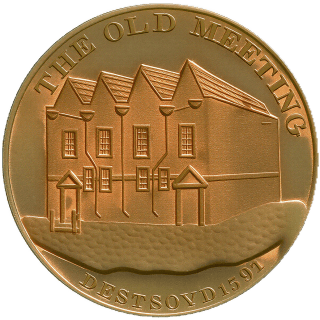 Obverse
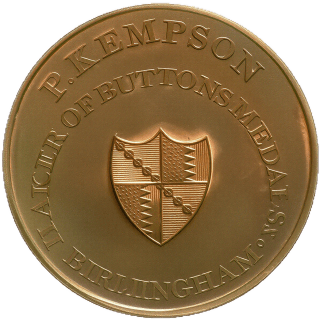 Reverse
Design Features
The obverse of the coin features the inscription "DESTROY'D 1791" above "THE OLD MEETING," symbolizing the destruction of the old meeting place in Birmingham. The reverse showcases the text "BIRMINGHAM / MAKER OF BUTTONS MEDALS &c / P. KEMPSON," highlighting Kempson's role as a maker of various metal goods in the city.
Technical Specifications
This ½ penny coin from 1791 has a standard size for Conder Tokens, with a diameter of approximately 28mm and a weight around 9 grams. Being made of copper, it reflects the typical composition of tokens from that era.
Collectible Value
Due to its association with Birmingham's industrial history and the reputation of P. Kempson as a skilled token maker, the United Kingdom 1791 ½ penny coin holds both historical and collectible significance. Its rarity, coupled with the unique design elements, makes it a sought-after piece among numismatists. In the market, this coin commands a respectable value, especially in well-preserved conditions.
Conclusion
In conclusion, the United Kingdom 1791 ½ penny copper Conder Token stands as a testament to the ingenuity of local token makers during a time of coinage scarcity. Its historical context, coupled with the intriguing design and collectible value, make it a prized possession for coin collectors and enthusiasts alike. This coin not only represents a piece of British numismatic history but also serves as a tangible link to the vibrant trade and industry of Birmingham in the late 18th century.

ScanMyCoin: AI Coin Recognition
Professional AI coin recognition and collection management platform. Identify, learn, and track your coin collection with advanced AI technology and a vast.