

Tyrol Tyrol 6 kreuzer, ND (1564)
Description:
6 kreuzer Tyrol 6 kreuzer, ND (1564) coin from Tyrol. Design, history & value.
Introduction
The Tyrol 6 kreuzer silver coin, minted in 1564, stands as a remarkable piece of numismatic history from the County of Tyrol. This coin not only serves as a testament to the region's economic and political influence during that era but also showcases intricate designs that captivate collectors worldwide.
Historical Background
Issued by the authorities in Tyrol, this coin bears the name of Ferdinand I, who held the title of Archduke of Austria. The County of Tyrol, known for its rich mining resources, played a significant role in the coinage of this era. The 6 kreuzer denomination indicated the value of the coin within the monetary system of the time, reflecting the economic stability of Tyrol.
Coin Images
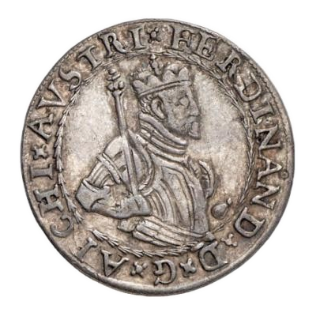 Obverse
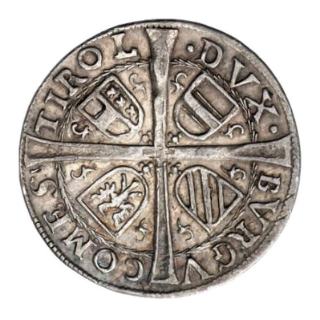 Reverse
Design Features
The obverse of the coin features the inscription "FERDINAND D G ARCHI AVSTRI," identifying Ferdinand I as the ruler by the grace of God and Archduke of Austria. On the reverse side, the coin displays the Latin phrase "DVX BVRGV COMES TIROL," signifying the Duke of Burgundy and Count of Tyrol titles held by Ferdinand. These inscriptions, coupled with intricate detailing, make this coin a visual delight for collectors.
Technical Specifications
This Tyrol 6 kreuzer silver coin weighs 2.50g and has a diameter of 24.00mm. Crafted from silver, this coin embodies the traditional monetary standards of the time and reflects the craftsmanship of Tyrolean minting.
Collectible Value
The Tyrol 6 kreuzer silver coin from 1564 holds significant value in the numismatic world. Its historical importance, coupled with its limited mintage and silver composition, makes it a coveted piece among collectors. The market value of this coin reflects its rarity and desirability, attracting both seasoned numismatists and enthusiasts looking to own a piece of Tyrolean history.
Conclusion
In conclusion, the Tyrol 6 kreuzer silver coin of 1564 stands as a testament to Tyrol's rich numismatic heritage and the legacy of Ferdinand I. Its exquisite design, historical significance, and collectible value make it a prized possession for any coin collector. Owning this piece not only adds a touch of history to a collection but also allows one to appreciate the artistry and craftsmanship of Tyrolean coinage during the 16th century.

ScanMyCoin: AI Coin Recognition
Professional AI coin recognition and collection management platform. Identify, learn, and track your coin collection with advanced AI technology and a vast.