

Tyrol Tyrol 30 kreuzer, 1566-1568
Description:
30 kreuzer Tyrol 30 kreuzer, 1566-1568 coin from Tyrol. Design, history & value.
Introduction
The Tyrol 30 kreuzer coin minted between 1566 and 1568 holds a significant place in numismatic history. Issued in Tyrol, this silver coin showcases intricate designs and historical importance that make it a prized possession for collectors worldwide.
Historical Background
During the period of 1564 to 1665, Tyrol, a region in present-day Austria and Italy, issued its own currency to facilitate trade and commerce. The Tyrol 30 kreuzer coin was part of this coinage system, reflecting the economic prosperity and political stability of the region under the Habsburg rule.
Coin Images
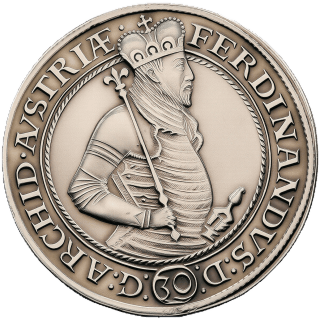 Obverse
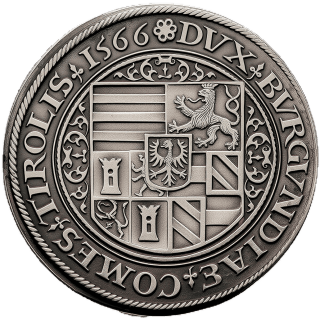 Reverse
Design Features
The obverse of the coin features the inscription "FERDINANDVS D G ARCHID AVSTRIÆ," portraying the profile of Archduke Ferdinand of Austria. On the reverse, the Latin phrase "DVX BVRGVNDIAE COMES TIROLIS" is inscribed, accompanied by the coat of arms of Burgundy and Tyrol. The intricate detailing and craftsmanship of these designs reflect the artistry of the Renaissance era.
Technical Specifications
This Tyrol 30 kreuzer coin is made of silver and has a standard weight and size typical for coins of that period. The precise specifications include the diameter, weight, and purity of the silver used in its minting, further adding to its numismatic value.
Collectible Value
Owning a Tyrol 30 kreuzer coin from the years 1566-1568 is a rare opportunity for numismatists and collectors. Due to its historical significance and limited mintage, this coin holds both intrinsic and collectible value. Its market value continues to appreciate, making it a sought-after piece in the numismatic community.
Conclusion
In conclusion, the Tyrol 30 kreuzer silver coin from 1566-1568 is a remarkable numismatic treasure that encapsulates the rich history and artistic excellence of Tyrol during the Renaissance period. Its intricate designs, historical significance, and collectible value make it a prized addition to any coin collection, appealing to both enthusiasts and investors alike.

ScanMyCoin: AI Coin Recognition
Professional AI coin recognition and collection management platform. Identify, learn, and track your coin collection with advanced AI technology and a vast.