

Tyrol Tyrol 2 thaler, ND (1564)
Description:
2 thaler Tyrol 2 thaler, ND (1564) coin from Tyrol. Design, history & value.
Introduction
The Tyrol 2 thaler coin minted in 1564 holds a significant place in numismatic history due to its connection with the County of Tyrol between 1564 and 1665. This silver coin not only showcases exquisite craftsmanship but also reflects the political and economic landscape of the region during that era.
Historical Background
Issued under the authority of Tyrol, the coin bears the titles "FERDINANDVS D G ARCHIDVX AVSTRIÆ" on the obverse and "DVX BVRGVNDIÆ COMES TIROLIS" on the reverse. This period marked the rule of Archduke Ferdinand II of Austria, who held governance over Tyrol and Burgundy. The coinage system played a crucial role in facilitating trade and commerce within the region.
Coin Images
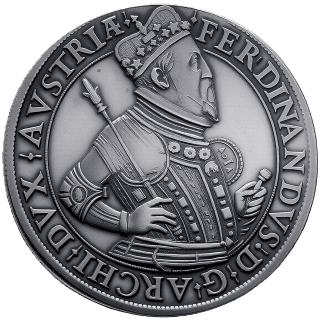 Obverse
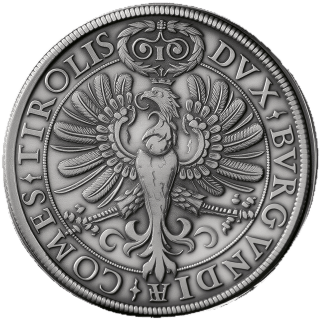 Reverse
Design Features
The obverse of the Tyrol 2 thaler coin features the inscription "FERDINANDVS D G ARCHIDVX AVSTRIÆ," depicting the profile portrait of Archduke Ferdinand II of Austria. The reverse side showcases the inscription "DVX BVRGVNDIÆ COMES TIROLIS" along with intricate heraldic designs representing Tyrol and Burgundy.
Technical Specifications
- Denomination: 2 thaler
- Composition: Silver
- Weight: 57.20g
- Diameter: 43.00mm
- Issuer: Tyrol
- Category: County of Tyrol (1564 - 1665)
Collectible Value
The Tyrol 2 thaler 1564 coin holds significant collectible value among numismatists, especially those interested in coins from the Tyrol region and the reign of Archduke Ferdinand II. Due to its historical importance and limited mintage, this coin is sought after by collectors worldwide. The market value of this coin can vary based on its condition, rarity, and demand in the numismatic community.
Conclusion
In conclusion, the Tyrol 2 thaler 1564 silver coin stands as a remarkable numismatic piece that encapsulates the history and culture of Tyrol during the 16th century. Its intricate design, historical significance, and collectible value make it a prized possession for both coin enthusiasts and historians alike. Owning this coin not only adds a valuable asset to a collection but also serves as a tangible link to a bygone era of Tyrolean history.

ScanMyCoin: AI Coin Recognition
Professional AI coin recognition and collection management platform. Identify, learn, and track your coin collection with advanced AI technology and a vast.