

Trier Trier ⅙ thaler, 1757
Description:
⅙ thaler Trier ⅙ thaler, 1757 coin from Trier. Design, history & value.
Introduction
The Trier ⅙ Thaler, minted in 1757, is a remarkable silver coin from the Electorate of Trier. Known for its historical importance and distinctive designs, this coin is highly sought after by numismatists worldwide.
Historical Background
The Electorate of Trier, a powerful ecclesiastical state in the Holy Roman Empire, issued this coin as part of its currency system. The ⅙ Thaler denomination was commonly used for small transactions and trade within the region during the 18th century. The year 1757 marks a significant period in European history, with various political and social changes influencing coinage.
Coin Images
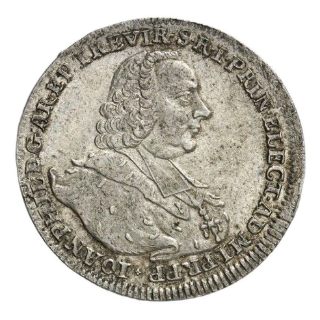 Obverse
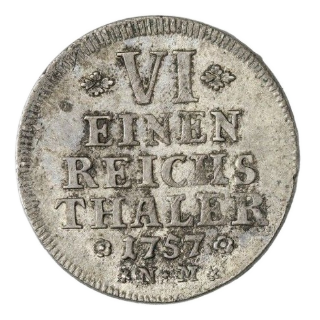 Reverse
Design Features
The obverse of the Trier ⅙ Thaler features a detailed portrait of the reigning head of state, capturing the essence of the era's artistry. On the reverse side, a legend is inscribed, though the exact interpretation remains unknown, adding an air of mystery to this coin's allure.
Technical Specifications
This silver coin has specific technical parameters that make it distinctive among numismatic treasures. The size, weight, and composition of the Trier ⅙ Thaler 1757 contribute to its overall value and collectibility. Collectors often appreciate the fine details and craftsmanship that went into creating this piece of history.
Collectible Value
Due to its historical significance and limited mintage, the Trier ⅙ Thaler 1757 holds substantial collectible value in the numismatic market. Its rarity level and desirability among collectors make it a prized addition to any coin collection. The market value of this coin can vary based on its condition and historical context, making it a valuable asset for investors and enthusiasts alike.
Conclusion
In conclusion, the Trier ⅙ Thaler 1757 stands out as a unique and valuable coin from the Electorate of Trier. Its historical importance, intricate designs, and collectible value make it a must-have for any serious collector. By owning this piece of history, numismatists can connect with the past and appreciate the artistry of coinage in the 18th century.

ScanMyCoin: AI Coin Recognition
Professional AI coin recognition and collection management platform. Identify, learn, and track your coin collection with advanced AI technology and a vast.