

Spain Spain 2 maravedis, 1813-1817
Description:
2 maravedis Spain 2 maravedis, 1813-1817 coin from Spain. Design, history & value.
1. Introduction
The Spain 2 maravedis coin minted between 1813 and 1817 holds a special place in numismatic history. These copper coins were part of the Spanish real currency system and bear significant historical and cultural value.
2. Historical Background
During the early 19th century, Spain faced political turmoil and Napoleonic invasions, leading to the minting of these 2 maravedis coins under the reign of Ferdinand VII. These coins symbolize a turbulent period in Spanish history and the resilience of the Spanish monetary system.
3. Design Features
The obverse of the coin features the inscription "FERDIN VII D G HISP REX," indicating Ferdinand VII as the King of Spain. The reverse typically displays various symbols or a wreath, adding artistic flair to the coin's design.
4. Technical Specifications
This 2 maravedis coin weighs 2.40 grams and is composed of copper. With a diameter and thickness specific to the Spanish real currency standards of the time, it represents a crucial piece of Spain's monetary heritage.
5. Collectible Value
Despite being minted in copper, the Spain 2 maravedis coin is highly sought after by collectors due to its historical significance and scarcity. Its market value can vary based on factors like condition, rarity, and collector demand. Therefore, these coins hold not just monetary but also historical and cultural value for numismatists.
6. Conclusion
In conclusion, the Spain 2 maravedis 1813-1817 copper coin stands as a tangible link to Spain's past, reflecting a tumultuous era in the nation's history. Its unique design, historical context, and collectible value make it a prized possession for both coin collectors and history enthusiasts alike. By delving into the intricacies of this coin, one can truly appreciate the artistry, history, and cultural significance encapsulated within its modest copper composition.
Coin Images
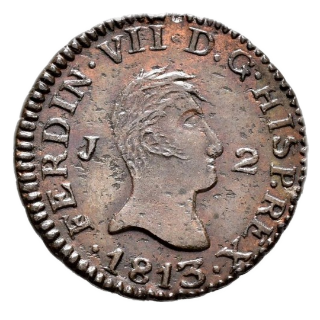 Obverse
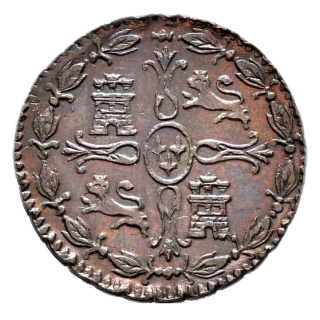 Reverse

ScanMyCoin: AI Coin Recognition
Professional AI coin recognition and collection management platform. Identify, learn, and track your coin collection with advanced AI technology and a vast.