

Saxony Saxony ⅓ thaler, 1827-1830
Description:
⅓ thaler Saxony ⅓ thaler, 1827-1830 coin from Saxony. Design, history & value.
1. Introduction
The Saxony ⅓ Thaler minted between 1827-1830 stands as a numismatic gem from the Kingdom of Saxony. This silver coin holds historical importance and remarkable design features that attract both collectors and history enthusiasts alike.
2. Historical Background
During the early 19th century, Saxony issued a series of coins to facilitate trade and commerce within its territories. The ⅓ Thaler denomination was part of this coinage system and carried significant value in daily transactions.
3. Design Features
The obverse of the coin features the inscription "ANTON V.G.G.KOENIG VON SACHSEN," depicting the reigning monarch, King Anton of Saxony. On the reverse, the coin displays "VIERZIG EINE FEINE MARK," indicating its denomination and silver content.
4. Technical Specifications
This ⅓ Thaler coin weighs 8.25 grams and consists of 70% silver, reflecting the standard purity of silver coins during that era. With a diameter of xx mm, this coin offers a tangible connection to Saxony's monetary history.
5. Collectible Value
The Saxony ⅓ Thaler from 1827-1830 holds both historical and collectible significance. Due to its limited mintage and historical importance, this coin is sought after by collectors worldwide. Its rarity and connection to the Kingdom of Saxony enhance its value in numismatic circles.
6. Conclusion
In conclusion, the Saxony ⅓ Thaler, minted between 1827-1830, represents a piece of numismatic history encapsulating the Kingdom of Saxony's economic landscape. With its intricate design and historical significance, this silver coin continues to captivate collectors and enthusiasts, making it a prized possession in any numismatic collection. By delving into the details of the Saxony ⅓ Thaler 1827-1830 silver coin, one can appreciate its role in history and its enduring allure in the world of numismatics.
Coin Images
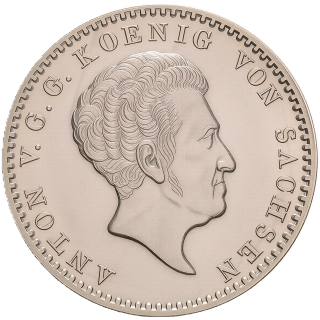 Obverse
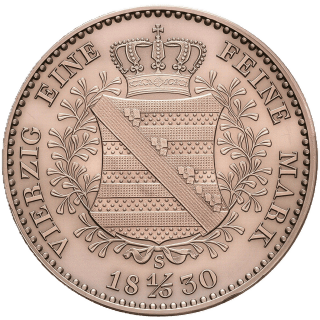 Reverse

ScanMyCoin: AI Coin Recognition
Professional AI coin recognition and collection management platform. Identify, learn, and track your coin collection with advanced AI technology and a vast.