

Saxony Saxony ⅔ thaler, 1806-1817
Description:
⅔ thaler Saxony ⅔ thaler, 1806-1817 coin from Saxony. Design, history & value.
Introduction
The Saxony ⅔ Thaler minted between 1806 and 1817 holds a significant place in the numismatic history of the Kingdom of Saxony. This silver coin carries with it a rich historical legacy and intricate design elements that make it a prized possession among collectors worldwide.
Historical Background
Issued by the Kingdom of Saxony, this ⅔ Thaler coin symbolizes the sovereignty and economic power of Saxony during the early 19th century. The period between 1806 and 1817 was characterized by political changes and economic challenges, making these coins a reflection of the era's tumultuous times.
Coin Images
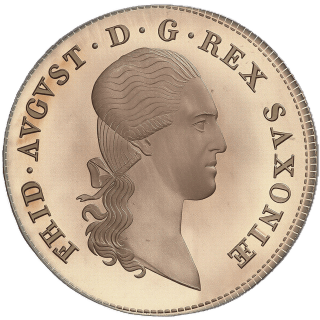 Obverse
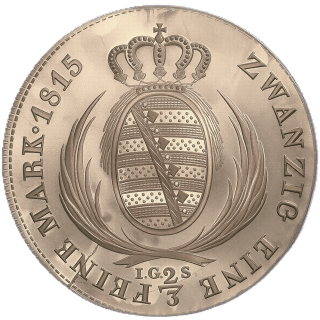 Reverse
Design Features
The obverse of the coin features the inscription "FRID AVGVST D G REX SAXONIÆ," depicting the ruling monarch at that time. On the reverse side, the coin showcases the legend "ZWANZIG EINE FEINE MARK," denoting its denomination. The intricate detailing and craftsmanship of these designs add to the coin's aesthetic appeal.
Technical Specifications
This ⅔ Thaler coin is composed of 83.3% silver, weighing 14.03 grams, with a diameter of 33.00mm. The specifications of this coin highlight its value not only in terms of historical significance but also in its intrinsic metal worth.
Collectible Value
Due to its historical significance and limited mintage period, the Saxony ⅔ Thaler from 1806-1817 holds a high collectible value. Numismatists and collectors covet these coins for their rarity and unique design elements. Market values for these coins can vary based on their condition, historical provenance, and demand in the numismatic community.
Conclusion
In conclusion, the Saxony ⅔ Thaler 1806-1817 stands as a testament to the Kingdom of Saxony's numismatic heritage. Its exquisite design, historical significance, and collectible value make it a prized possession for both seasoned collectors and enthusiasts. Owning a piece of this coin not only adds to one's numismatic collection but also allows for a deeper connection to the rich history of Saxony during the early 19th century.

ScanMyCoin: AI Coin Recognition
Professional AI coin recognition and collection management platform. Identify, learn, and track your coin collection with advanced AI technology and a vast.