

Saxony Saxony ⅙ thaler, 1764-1768
Description:
⅙ thaler Saxony ⅙ thaler, 1764-1768 coin from Saxony. Design, history & value.
Introduction
The Saxony ⅙ thaler coin minted between 1764-1768 is a numismatic gem from the Electorate of Saxony. This silver coin holds historical significance and intricate design elements that make it a coveted piece among collectors worldwide.
Historical Background
During the late 18th century, Saxony, a prominent German state, issued various denominations of thaler coins, reflecting its economic power and political influence. The ⅙ thaler denomination was a fractional currency unit that facilitated daily transactions for the populace.
Coin Images
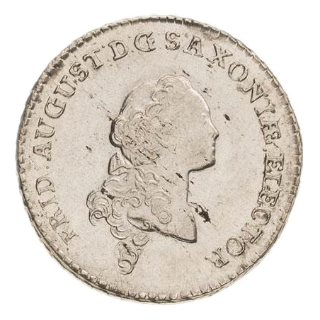 Obverse
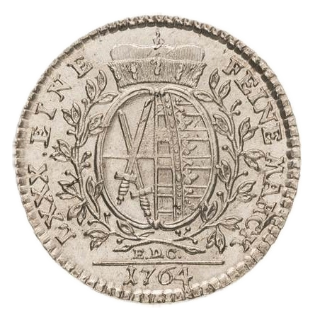 Reverse
Design Features
The obverse of the Saxony ⅙ thaler coin features the inscription "FRID AUGUST D G SAXONIÆ ELECTOR," honoring Frederick Augustus III, the Elector of Saxony during that period. The reverse displays the denomination "LXXX EINE FEINE MARCK," indicating the coin's value.
Technical Specifications
This silver coin weighs 5.39g and has a diameter of 25.50mm. With a silver fineness of 0.542, the Saxony ⅙ thaler exemplifies the fine craftsmanship of the era.
Collectible Value
The Saxony ⅙ thaler from 1764-1768 holds both historical and collectible significance. Its limited mintage and historical context contribute to its rarity, making it a prized possession for numismatists. In the numismatic market, this coin commands a respectable value due to its historical importance and scarcity.
Conclusion
In conclusion, the Saxony ⅙ thaler silver coin from 1764-1768 is a tangible piece of history that encapsulates the economic and cultural landscape of the Electorate of Saxony. Its exquisite design, historical relevance, and collectible value make it a must-have for any discerning collector or history enthusiast. This detailed exploration of the Saxony ⅙ thaler coin showcases its unique blend of artistry, history, and numismatic value, cementing its status as a cherished treasure in the world of coin collecting.

ScanMyCoin: AI Coin Recognition
Professional AI coin recognition and collection management platform. Identify, learn, and track your coin collection with advanced AI technology and a vast.