

Saxony Saxony ¹⁄₁₂ thaler, 1763
Description:
¹⁄₁₂ thaler Saxony ¹⁄₁₂ thaler, 1763 coin from Saxony. Design, history & value.
Introduction
The Saxony ¹⁄₁₂ thaler minted in 1763 is a fascinating piece from the Electorate of Saxony, boasting intricate designs and historical significance. This silver coin is a testament to the rich numismatic heritage of Saxony during the 18th century.
Historical Background
Issued by Saxony, the ¹⁄₁₂ thaler served as a fractional currency denomination in the Electorate of Saxony from 1763 to 1806. During this period, Saxony was a prominent German state with a flourishing economy and a vibrant cultural scene. The coinage of Saxony reflected the region's prosperity and artistic excellence.
Coin Images
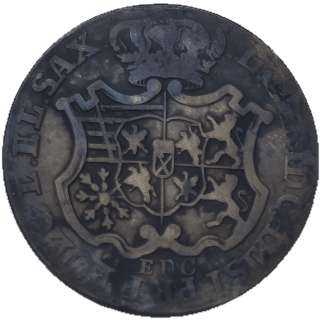 Obverse
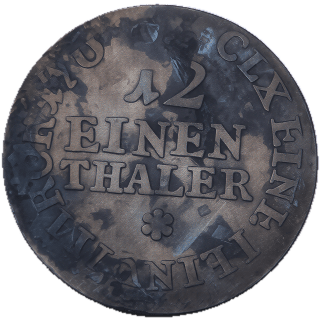 Reverse
Design Features
The obverse of the coin features the inscription "D G FRID CHRIST PR R POL & L EL SAX," highlighting the royal titles of Frederick Augustus III, the Elector of Saxony. On the reverse, the design reads "12 EINEN THALER / CLX EINE FEINE MARCK," denoting the coin's denomination and weight in the traditional German monetary system.
Technical Specifications
This silver coin weighs 3.22 grams and has a diameter of 22.50mm. With a silver fineness of 0.438, the Saxony ¹⁄₁₂ thaler exemplifies the fine craftsmanship of Saxon minting during the 18th century.
Collectible Value
The Saxony ¹⁄₁₂ thaler from 1763 holds significant value among collectors and numismatists. Its historical importance, coupled with its intricate design and limited mintage, make it a prized addition to any coin collection. Due to its rarity and desirability, this coin commands a respectable market value in the numismatic world.
Conclusion
In conclusion, the Saxony ¹⁄₁₂ thaler of 1763 stands as a remarkable example of Saxon numismatic artistry and historical legacy. With its elegant design, historical significance, and collectible value, this silver coin continues to captivate collectors and enthusiasts alike. Owning a piece of Saxony's numismatic history in the form of this exquisite thaler is truly a privilege for any discerning collector.

ScanMyCoin: AI Coin Recognition
Professional AI coin recognition and collection management platform. Identify, learn, and track your coin collection with advanced AI technology and a vast.