

Salzburg Salzburg ⅙ thaler, 1669-1679
Posted on: December 2, 2025
keywords: Salzburg, Salzburg ⅙ thaler, 1669-1679, ⅙ thaler, coin collecting, numismatics, Salzburg
Description:
⅙ thaler Salzburg ⅙ thaler, 1669-1679 coin from Salzburg. Design, history & value.
- Introduction The Salzburg ⅙ thaler, minted between 1669 and 1679, is a remarkable silver coin that holds great historical significance. Issued by the Archbishopric of Salzburg, this coin represents a fascinating period in numismatic history.
- Historical Background During the 17th century, the Archbishopric of Salzburg issued various denominations of thaler coins to facilitate trade and commerce in the region. The ⅙ thaler denomination was a fractional unit of the larger thaler currency system, widely used in Central Europe during that era.
- Design Features The obverse of the coin features the inscription "MAX GAND D G AR EPS SAL SE AP L," which signifies the reigning Archbishop at the time. The reverse bears the inscription "1/6 / S RVDBERTUS EPS SALISBURG," indicating the denomination and the Archbishop's name.
- Technical Specifications This silver coin weighs 4.70 grams and has a diameter of 28.00mm, making it a compact yet substantial piece. The composition of silver adds to its intrinsic value and appeal to collectors.
- Collectible Value The Salzburg ⅙ thaler from the late 17th century is a sought-after piece among numismatists due to its historical significance and intricate design. Its rarity and age contribute to its collectible value, with well-preserved specimens commanding significant prices in the numismatic market.
- Conclusion In conclusion, the Salzburg ⅙ thaler of 1669-1679 stands as a testament to the Archbishopric of Salzburg's numismatic legacy. Its elegant design, historical context, and collectible value make it a prized possession for both seasoned collectors and enthusiasts seeking a piece of Central European coinage history. By delving into the world of the Salzburg ⅙ thaler, one can appreciate the artistry, history, and craftsmanship encapsulated in this small yet significant silver coin from the late 17th century.
Coin Images
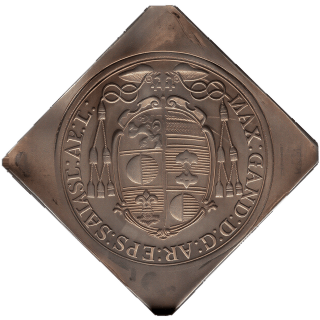 Obverse
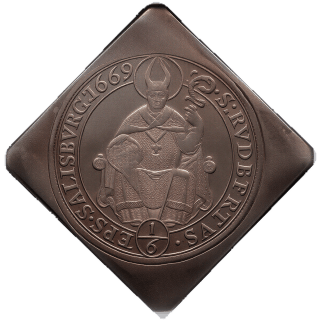 Reverse

ScanMyCoin: AI Coin Recognition
Professional AI coin recognition and collection management platform. Identify, learn, and track your coin collection with advanced AI technology and a vast.