

Salzburg Salzburg ½ thaler, 1612
Description:
½ thaler Salzburg ½ thaler, 1612 coin from Salzburg. Design, history & value.
Introduction
The Salzburg ½ thaler, minted in 1612, stands as a remarkable piece from the Archbishopric of Salzburg, renowned for its historical importance and intricate design. This silver coin carries a legacy of the past, reflecting the artistic and monetary values of its era.
Historical Background
Issued by the Archbishopric of Salzburg in 1612, this coin holds significant historical importance as it circulated during a period when the region was a prominent ecclesiastical principality. The Archbishopric of Salzburg, a powerful state of the Holy Roman Empire, utilized coins like the ½ thaler to facilitate trade and signify its authority.
Coin Images
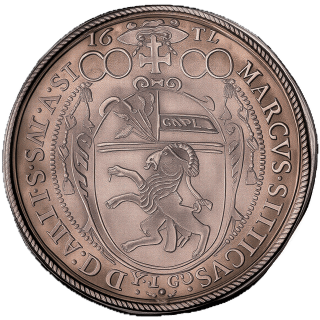 Obverse
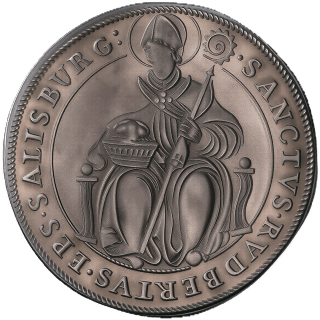 Reverse
Design Features
The obverse of the Salzburg ½ thaler features the year "1612" above the name "MARCUS SITTICUS D G AREPS SAL A S L," indicating the reigning Archbishop Markus Sittikus. On the reverse, the inscription "SANCTUS RUDBERTUS EPS SALISBURG" pays homage to Saint Rupert, the patron saint of Salzburg.
Technical Specifications
Crafted from silver, this coin weighs 14.20 grams with a diameter of 34.00mm, showcasing a standard size for thalers of that era. The intricate designs on both sides highlight the skilled craftsmanship of the minting process during the early 17th century.
Collectible Value
The Salzburg ½ thaler from 1612 holds immense collectible value among numismatists and coin enthusiasts. Its rarity, historical significance, and well-preserved condition contribute to its desirability among collectors. Due to its limited mintage and the intricate details on the coin, it is a prized possession for those interested in the history of Archbishopric coinage.
Conclusion
In conclusion, the Salzburg ½ thaler, minted in 1612, represents a significant piece of numismatic history from the Archbishopric of Salzburg. Its exquisite design, historical context, and collectible value make it a sought-after coin for collectors and enthusiasts alike. Owning this coin not only adds a valuable piece to a collection but also preserves a piece of the rich cultural heritage of Salzburg in the early 17th century.

ScanMyCoin: AI Coin Recognition
Professional AI coin recognition and collection management platform. Identify, learn, and track your coin collection with advanced AI technology and a vast.