

Salzburg Salzburg 48 kreuzer, 1621
Description:
48 kreuzer Salzburg 48 kreuzer, 1621 coin from Salzburg. Design, history & value.
Introduction
The Salzburg 48 kreuzer from 1621 is a captivating numismatic piece that holds a significant place in the history of the Archbishopric of Salzburg. This silver coin not only serves as a testament to the region's economic prowess during the early 17th century but also showcases the artistic and cultural richness of the era.
Historical Background
Issued by the Archbishopric of Salzburg in 1621, this coin was part of a series of Kreuzer denominations minted during the reign of Prince-Archbishop Paris von Lodron. The Archbishopric of Salzburg, a ecclesiastical state in the Holy Roman Empire, was known for its monetary stability and the quality of its coinage. The 48 kreuzer denomination held a crucial position in the local economy, facilitating trade and commerce within the region.
Coin Images
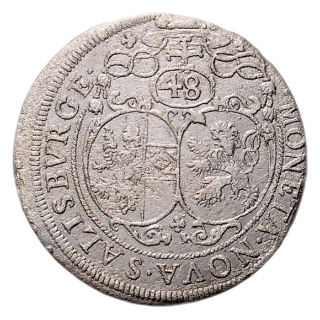 Obverse
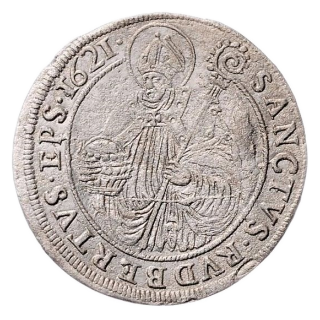 Reverse
Design Features
The obverse of the Salzburg 48 kreuzer coin features the inscription "48 / MONETA NOVA SALISBVRG," indicating the denomination and the mint of Salzburg. On the reverse side, the coin displays "1621 / SANCTVS RVDBERTVS EPS," referring to the year of minting and Saint Rupert, the patron saint of Salzburg. The intricate detailing and precision of the design reflect the skilled craftsmanship of the mint at that time.
Technical Specifications
This silver coin weighs 11.50 grams and has a diameter of 37.00mm, making it substantial in size and weight. Crafted from high-quality silver, the coin exemplifies the fine metalwork characteristic of Salzburg's coinage tradition. The combination of weight, composition, and diameter adds to the overall appeal and collectibility of the coin.
Collectible Value
The Salzburg 48 kreuzer coin from 1621 holds significant collectible value among numismatists and collectors due to its historical importance and intricate design. Its rarity and age contribute to its desirability, making it a prized addition to any coin collection focused on Archbishopric of Salzburg coinage. The market value of this coin can vary based on its condition, historical significance, and demand among collectors.
Conclusion
In conclusion, the Salzburg 48 kreuzer silver coin from 1621 stands as a remarkable numismatic specimen that encapsulates the essence of the Archbishopric of Salzburg's coinage history. Its intricate design, historical significance, and collectible value make it a prized possession for both seasoned collectors and enthusiasts of medieval European coinage. Owning this coin not only offers a tangible connection to the past but also showcases the beauty and artistry of numismatics from the early 17th century.

ScanMyCoin: AI Coin Recognition
Professional AI coin recognition and collection management platform. Identify, learn, and track your coin collection with advanced AI technology and a vast.