

Salzburg Salzburg 2 pfennig, 1786-1791
Description:
2 pfennig Salzburg 2 pfennig, 1786-1791 coin from Salzburg. Design, history & value.
Introduction:
The Salzburg 2 pfennig coin minted between 1786 and 1791 holds a significant place in the numismatic history of the Archbishopric of Salzburg. This copper coin offers a glimpse into the economic and cultural landscape of the region during the late 18th century.
Historical Background:
Issued under the authority of Salzburg, these 2 pfennig coins were part of the monetary system of the Archbishopric of Salzburg from 1745 to 1803. During this period, the Archbishopric was a prominent ecclesiastical state within the Holy Roman Empire, known for its rich cultural heritage and economic influence.
Coin Images
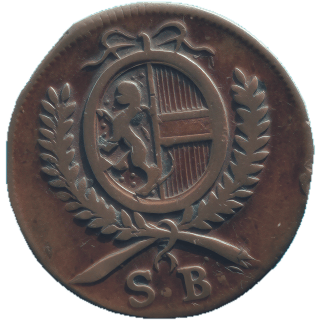 Obverse
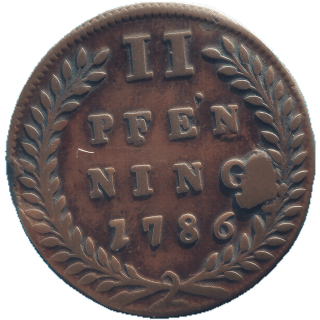 Reverse
Design Features:
The obverse of the Salzburg 2 pfennig coin features the initials "SB," representing the issuing authority. On the reverse side, the denomination "II PFENNING" is inscribed, indicating the face value of the coin. The simplicity of the design is characteristic of the utilitarian nature of small denomination coins of that era.
Technical Specifications:
- Denomination: 2 Pfennig
- Issuer: Salzburg
- Composition: Copper
- Diameter: 20.00mm
- Year of Minting: 1786-1791
Collectible Value:
The Salzburg 2 pfennig copper coin from the late 18th century carries both historical and numismatic value. While these coins may not command high monetary prices in the market, they are sought after by collectors interested in the Archbishopric of Salzburg series or those focusing on 18th-century European coinage. The rarity of well-preserved specimens adds to their collectible appeal.
Conclusion:
In conclusion, the Salzburg 2 pfennig coin of 1786-1791 offers a tangible connection to the economic activities and coinage practices of the Archbishopric of Salzburg during a pivotal period in history. Its modest design and historical context make it a valuable addition to any numismatic collection, serving as a reminder of the region's rich heritage. By delving into the details of this copper coin, collectors and enthusiasts can appreciate its significance within the broader landscape of European coinage and the historical legacy of Salzburg.

ScanMyCoin: AI Coin Recognition
Professional AI coin recognition and collection management platform. Identify, learn, and track your coin collection with advanced AI technology and a vast.