

Salzburg Salzburg 1 thaler, 1668-1686
Description:
1 thaler Salzburg 1 thaler, 1668-1686 coin from Salzburg. Design, history & value.
Title: Salzburg 1 Thaler 1668-1686 Silver Coin - Historical Archbishopric Collectible
Description: Explore the exquisite Salzburg 1 Thaler coin from 1668-1686, a rare silver piece.
Keywords: Salzburg, 1 Thaler, 1668-1686, Silver Coin, Archbishopric, Collectible, Numismatics
Main Content:
Introduction
The Salzburg 1 Thaler coin, minted between 1668 and 1686, holds a significant place in numismatic history. This silver coin, issued by the Archbishopric of Salzburg, exemplifies exquisite craftsmanship and historical importance.
Historical Background
During the late 17th century, the Archbishopric of Salzburg, a ecclesiastical principality, issued the 1 Thaler coin as a symbol of its economic and political power. These coins were widely circulated in the region, facilitating trade and commerce.
Coin Images
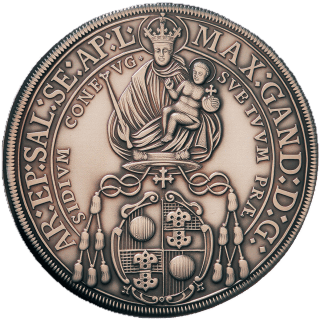 Obverse
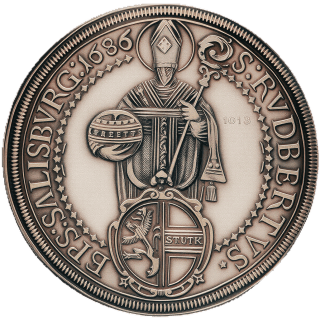 Reverse
Design Features
The obverse of the Salzburg 1 Thaler coin features the inscription "MAX GAND D G AR EP SAL SE AP L / SVB TVVM PRÆ SIDIUM CONF VG," highlighting the authority of the Archbishopric. On the reverse side, the coin displays "S RVDBERTVS EPS SALISBVRG," depicting the reigning archbishop at the time.
Technical Specifications
This silver coin weighs 28.25g with a diameter of 42.00mm, making it a substantial piece in terms of size and weight. Composed of 87.5% silver, the coin boasts a high silver content, adding to its intrinsic value.
Collectible Value
The Salzburg 1 Thaler coin from 1668-1686 holds significant collectible value among numismatists. Due to its historical significance, rarity, and exquisite design, this coin is highly sought after by collectors. Its market value reflects both its numismatic importance and silver content, making it a prized addition to any collection.
Conclusion
In conclusion, the Salzburg 1 Thaler coin from 1668-1686 is a remarkable piece of numismatic history. Its intricate design, historical significance, and collectible value make it a prized possession for coin enthusiasts. Owning this coin not only provides a tangible connection to the past but also showcases the artistry and craftsmanship of the Archbishopric of Salzburg during that era.

ScanMyCoin: AI Coin Recognition
Professional AI coin recognition and collection management platform. Identify, learn, and track your coin collection with advanced AI technology and a vast.