
Reval, City of 1 Öre - Gustav II Adolf (Without shield)
Description:
1 Öre 1 Öre - Gustav II Adolf (Without shield) coin from Reval, City of. Design, history & value.
Introduction
The 1 Öre coin from Reval, featuring the esteemed Gustav II Adolf, is a remarkable piece of numismatic history. Minted in 1622, this silver coin is not only a testament to the craftsmanship of the era but also a window into the economic and political landscape of early 17th-century Europe. Collectors and history enthusiasts alike cherish this coin for its unique design and historical significance. As we delve into the facets of this coin, we will explore its historical context, design intricacies, and its place within the world of numismatics.
Historical Background
The 1 Öre coin was issued by the city of Reval, now known as Tallinn, the capital of Estonia. During the early 1600s, Reval was a significant commercial hub in the Baltic region, under the influence of the Swedish Empire. Gustav II Adolf, also known as Gustavus Adolphus, was the King of Sweden from 1611 to 1632, recognized for his military prowess and efforts in modernizing his kingdom. The minting of this coin reflects Reval's strategic importance and the expanding reach of Swedish influence during his reign. This period was marked by the Thirty Years' War, and coinage played a crucial role in financing military campaigns and asserting sovereignty.
Coin Images
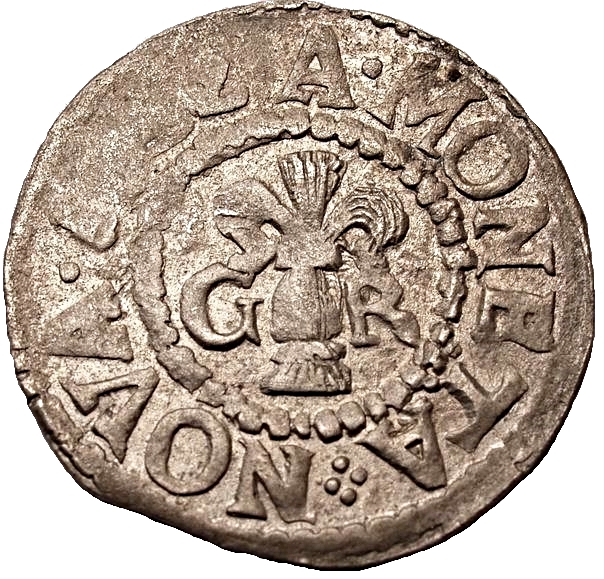 Obverse
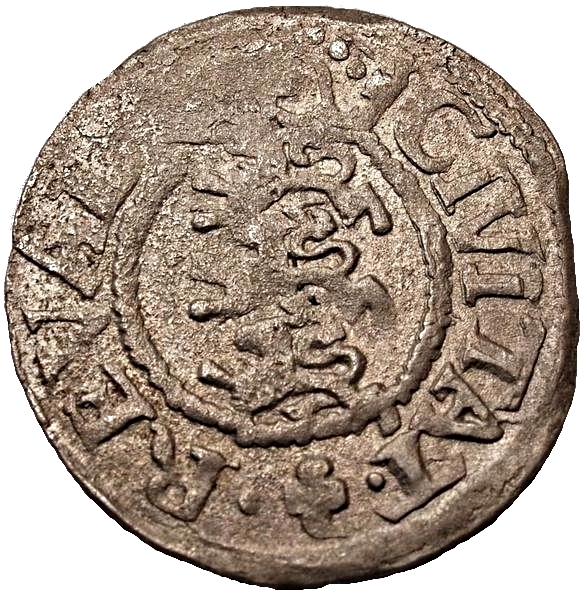 Reverse
Design Features
The 1 Öre coin's design is a fine example of the artistic and symbolic elements typical of the era. The obverse features the Vasa arms, a heraldic symbol associated with the Vasa dynasty, which separates the monogram of Gustav II Adolf. The surrounding legend further emphasizes the coin's regal associations. On the reverse, three stacked lions beneath a crown are depicted, a design choice reflecting strength and royal authority. Notably, the lions are displayed without a shield, a distinctive feature that sets this coin apart from other contemporary issues. The legends on both sides not only serve as decorative elements but also assert the legitimacy and power of the issuing authority.
Technical Specifications
This 1 Öre coin is crafted from silver, a common material for coins of significant value during the 17th century. It weighs 1.25 grams and has a diameter of 19.00 millimeters, making it a compact yet valuable piece of currency. The choice of silver not only ensured the coin's durability but also its economic worth, as silver was a widely accepted medium of exchange. These technical specifications highlight the coin's practicality for everyday transactions as well as its appeal to collectors today.
Collectible Value
The 1 Öre coin from 1622 holds substantial value in the numismatic community. Its rarity is attributed to the limited mintage and the historical context of its issuance. Coins from this period frequently circulated and were often melted down for their silver content, making surviving specimens particularly prized. Collectors value this coin for its historical connection to Gustav II Adolf and its representation of Swedish influence in the Baltic region. The market value of this coin can vary based on its condition, provenance, and demand among collectors. Well-preserved examples can fetch significant sums at auction, reflecting both their scarcity and historical allure.
Conclusion
The 1 Öre coin from Reval, issued under the authority of Gustav II Adolf in 1622, is more than just a piece of currency. It is a tangible link to a pivotal era in European history, offering insights into the political dynamics and economic practices of the time. For collectors and historians, this coin is a valuable artifact that embodies the legacy of a powerful monarch and the city of Reval's historical significance. Whether valued for its silver content, its artistry, or its historical connections, the 1 Öre coin remains a cherished relic from the past, continuing to captivate those who appreciate the intricate stories coins can tell.

ScanMyCoin: AI Coin Recognition
Professional AI coin recognition and collection management platform. Identify, learn, and track your coin collection with advanced AI technology and a vast.