

Prussia Prussia 1 schilling, 1804-1806
Description:
1 schilling Prussia 1 schilling, 1804-1806 coin from Prussia. Design, history & value.
Introduction
The Prussia 1 schilling copper coin minted between 1804-1806 holds a special place in the numismatic history of the Kingdom of Prussia. This exquisite coin not only showcases the craftsmanship of the era but also represents a significant period in Prussian coinage.
Historical Background
Issued by Prussia, this coin was part of the currency system during the Kingdom of Prussia's reign from 1804 to 1806. The denomination of 1 schilling was widely used in daily transactions, reflecting the economic landscape of the time.
Coin Images
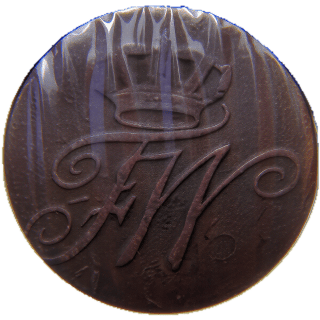 Obverse
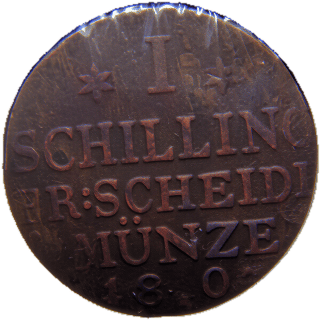 Reverse
Design Features
The obverse of the coin features the initials "FW," representing the issuing authority, while the reverse displays the denomination "1 SCHILLING" above the inscription "PR:SCHEIDE MÜNZE," emphasizing its Prussian origin. The design exudes a sense of regality and tradition, characteristic of Prussian coinage.
Technical Specifications
This coin, weighing 2.00g and measuring 21.00mm in diameter, is crafted from copper, a popular choice for circulating coinage during this period. The precision in size and weight highlights the attention to detail in minting practices of the Kingdom of Prussia.
Collectible Value
The Prussia 1 schilling copper coin from 1804-1806 holds both historical and collectible significance. With its limited mintage and historical context, this coin appeals to collectors interested in Prussian numismatics. Its rarity and condition in the market contribute to its value as a sought-after collectible piece.
Conclusion
In conclusion, the Prussia 1 schilling copper coin minted between 1804-1806 is a numismatic treasure that encapsulates the essence of the Kingdom of Prussia's coinage history. Its intricate design, historical relevance, and collectible value make it a prized addition to any numismatist's collection, offering a glimpse into the rich heritage of Prussian coinage. By exploring the unique features and historical significance of this coin, collectors and enthusiasts alike can appreciate the enduring legacy of the Prussian coinage tradition through this remarkable piece from the early 19th century.

ScanMyCoin: AI Coin Recognition
Professional AI coin recognition and collection management platform. Identify, learn, and track your coin collection with advanced AI technology and a vast.