

Portuguese Timor Portuguese Timor 60 centavos, 1958
Description:
60 centavos Portuguese Timor 60 centavos, 1958 coin from Portuguese Timor. Design, history & value.
Introduction
The Portuguese Timor 60 centavos coin, minted in 1958, holds a special place in numismatic history due to its association with Portuguese colonial rule in the region. This coin, with its unique denomination and intricate design, serves as a fascinating artifact of the past.
Historical Background
Portuguese Timor, a former colony located in Southeast Asia, issued its own currency under Portuguese administration. The 60 centavos coin was part of the escudo denomination series minted between 1958 and 1976. During this period, Portugal maintained control over the territory until it gained independence in 1975.
Coin Images
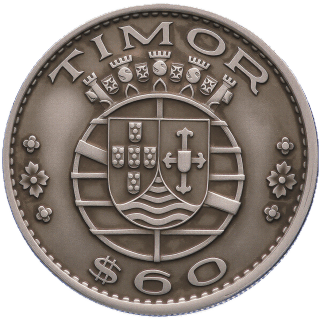 Obverse
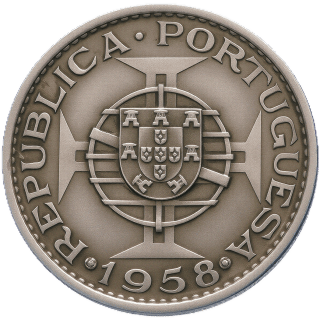 Reverse
Design Features
The obverse of the coin features the denomination "$60" along with the word "TIMOR," symbolizing the monetary value and the region it represents. On the reverse side, the year "1958" is inscribed above the phrase "REPUBLICA PORTUGUESA," denoting the coin's origin and connection to the Portuguese Republic.
Technical Specifications
This coin has a weight of 4.57 grams and a diameter of 23.00mm, making it a compact yet substantial piece. Crafted from a composition of copper-zinc-nickel, the coin reflects the standard materials used in coinage during that era.
Collectible Value
The Portuguese Timor 60 centavos coin is highly sought after by collectors due to its historical significance and limited availability. Its market value varies based on factors such as condition, rarity, and demand within the numismatic community. As a piece of colonial history, this coin offers collectors a unique opportunity to own a tangible link to the past.
Conclusion
In conclusion, the Portuguese Timor 60 centavos coin of 1958 stands as a testament to the colonial legacy of Portuguese Timor and the numismatic artistry of the period. With its distinctive design and historical context, this coin appeals to both seasoned collectors and enthusiasts interested in exploring the rich history of Southeast Asia through numismatics.

ScanMyCoin: AI Coin Recognition
Professional AI coin recognition and collection management platform. Identify, learn, and track your coin collection with advanced AI technology and a vast.