
Pomerania, Swedish dominion of 1⁄12 Thaler - Adolphus Fredrik
Description:
1⁄12 Thaler 1⁄12 Thaler - Adolphus Fredrik coin from Pomerania, Swedish dominion of. Design, history & value.
Introduction
The 1⁄12 Thaler coin from Pomerania, a Swedish dominion, is a fascinating piece of numismatic history that captivates coin collectors and history enthusiasts alike. Struck between 1763 and 1767, this silver coin not only represents a period of rich historical significance but also showcases the intricate craft of coin minting during the era of Adolphus Fredrik. Its unique features and historical backdrop make it an intriguing subject for anyone interested in the evolution of currency and the art of coinage.
Historical Background
The issuance of the 1⁄12 Thaler coin is deeply rooted in the complex history of Pomerania, a region that experienced multiple transitions of power. During the mid-18th century, Pomerania was under Swedish control, and Adolphus Fredrik was the reigning monarch. This period was marked by economic and political reforms, and the introduction of this coin was part of efforts to stabilize and unify the monetary system. The 1⁄12 Thaler served as a fractional currency, facilitating trade and commerce in the region. It reflects the broader European trend of using smaller silver coins to support daily transactions among the populace.
Coin Images
 Obverse
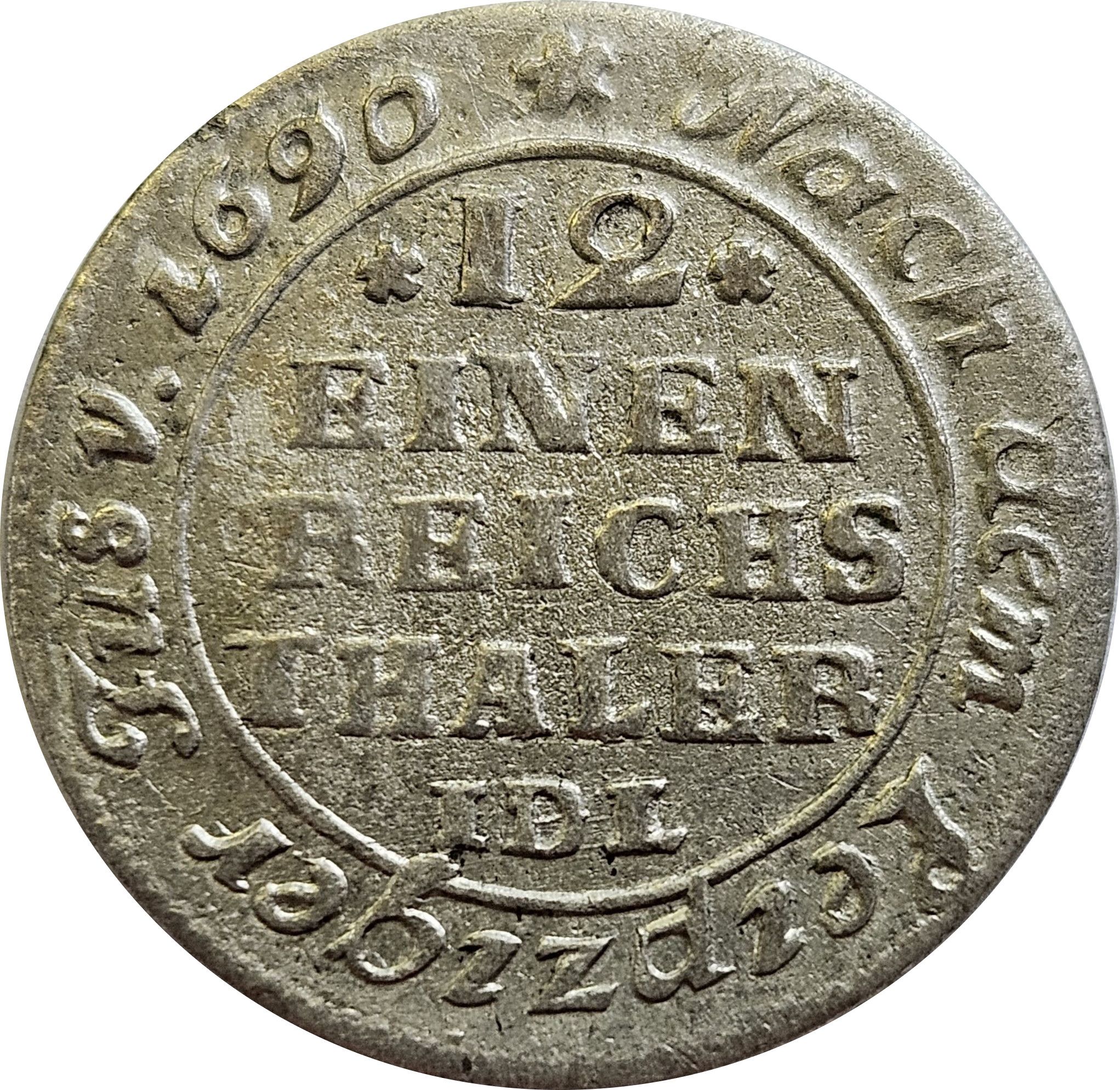 Reverse
Design Features
The 1⁄12 Thaler coin is a testament to the art of numismatic design in the 18th century. The obverse features a crowned monogram, symbolizing royal authority and the legitimacy of the currency under Adolphus Fredrik's reign. This element is not only decorative but also serves as a mark of authenticity and trust. The reverse design is equally significant, with an inscription detailing the coin's value and mintmark. The inscription is neatly arranged in three lines within a circular border, surrounded by a legend. This meticulous design reflects the precision and attention to detail characteristic of the period's minting techniques. The combination of artistry and functionality in the coin's design highlights its dual role as both a medium of exchange and a piece of art.
Technical Specifications
The 1⁄12 Thaler coin from Pomerania is crafted from silver, a common choice for high-value coins of the time due to its durability and intrinsic value. Weighing 3.50 grams and measuring 22.00mm in diameter, this coin was designed to be both portable and practical for everyday use. The choice of silver and the precise specifications underscore the coin's role in facilitating trade and commerce while maintaining a standard of quality and reliability.
Collectible Value
For numismatists and collectors, the 1⁄12 Thaler of Pomerania holds significant appeal due to its historical value and relative rarity. Coins from this era and region offer a glimpse into the past, providing insights into the economic and political climate of the time. The market value of these coins can vary based on their condition, provenance, and demand among collectors. Well-preserved examples are particularly prized, as they showcase the intricate details of the design and the craftsmanship of the period. The 1⁄12 Thaler is not just a piece of currency; it's a tangible piece of history that collectors cherish.
Conclusion
In conclusion, the 1⁄12 Thaler coin from Pomerania is a remarkable artifact from a fascinating period in European history. Its combination of historical significance, intricate design, and collectible value makes it a coveted item among numismatists. As both a functional currency of its time and a treasured collectible today, this coin continues to captivate those interested in the rich tapestry of history and the art of coinage. Whether you're a seasoned collector or a history enthusiast, the 1⁄12 Thaler offers a unique window into the past and a testament to the enduring legacy of Pomerania as a Swedish dominion.

ScanMyCoin: AI Coin Recognition
Professional AI coin recognition and collection management platform. Identify, learn, and track your coin collection with advanced AI technology and a vast.