

Poland Poland ⅙ talara, 1811-1814
Description:
⅙ talara Poland ⅙ talara, 1811-1814 coin from Poland. Design, history & value.
Introduction
The Poland ⅙ talara coin minted between 1811 and 1814 during the Duchy of Warsaw era represents a fascinating numismatic piece with historical significance and collectible value. This silver coin showcases intricate designs and technical excellence.
Historical Background
The Duchy of Warsaw, established in 1807 by Napoleon Bonaparte, issued various coins to support its economy. The ⅙ talara denomination was part of this coinage system, symbolizing the region's political and economic landscape during this period.
Coin Images
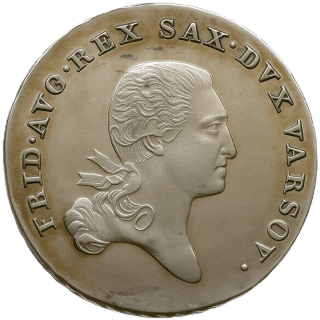 Obverse
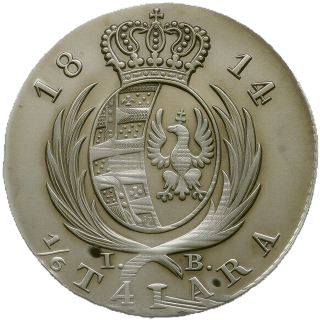 Reverse
Design Features
The obverse of the coin features the inscription "FRID AVG REX SAX DVX VARSOV" surrounding a central bust, possibly depicting Frederick Augustus I of Saxony, who also ruled as Duke of Warsaw. The reverse side simply states "1/6 THALARA," indicating the denomination.
Technical Specifications
This silver coin weighs 4.90g with a diameter of 26.00mm, and a silver composition of 0.535. The coin's specifications reflect the precision and craftsmanship of the minting process during the early 19th century.
Collectible Value
The Poland ⅙ talara coin is highly sought after by collectors due to its historical significance and limited mintage. Its rarity and unique design contribute to its collectible value, making it a prized possession for numismatists interested in European coinage.
Conclusion
In conclusion, the Poland ⅙ talara 1811-1814 silver coin is a remarkable numismatic piece that encapsulates a significant period in Polish history. Its exquisite design, historical context, and collectible value make it a valuable addition to any coin collection, showcasing the rich heritage of the Duchy of Warsaw era. By following this structured approach, you can create an informative and engaging article that caters to both coin enthusiasts and general readers interested in the history and value of the Poland ⅙ talara coin.

ScanMyCoin: AI Coin Recognition
Professional AI coin recognition and collection management platform. Identify, learn, and track your coin collection with advanced AI technology and a vast.