

Poland Poland 3 grosze, 1766-1794
Description:
3 grosze Poland 3 grosze, 1766-1794 coin from Poland. Design, history & value.
Introduction
The Poland 3 grosze coin, minted between 1766 and 1794, holds a significant place in numismatic history due to its association with Stanisław August Poniatowski, the last King of Poland. This copper coin not only served as a medium of exchange but also reflects the political and cultural landscape of the era.
Historical Background
During Stanisław August Poniatowski's reign, Poland faced political turmoil and eventual partition among neighboring powers. The 3 grosze coin was part of the monetary system aimed at stabilizing the economy and asserting Polish sovereignty. Despite the challenging times, these coins symbolize the resilience and heritage of the Polish nation.
Coin Images
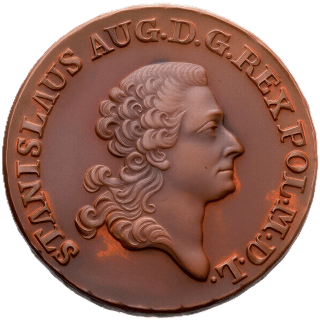 Obverse
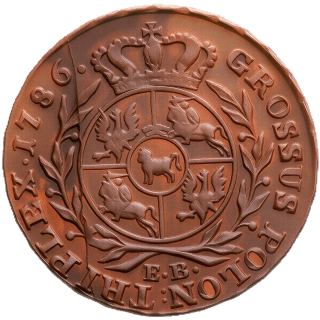 Reverse
Design Features
The obverse of the coin features the inscription "STANISLAUS AUG D.G. REX POL M D L," indicating the Latin abbreviation for "Stanisław August, by the Grace of God, King of Poland, Grand Duke of Lithuania." The reverse bears the inscription "GROSSUS POLON:TRIPLEX," signifying the coin's value in the Polish currency system.
Technical Specifications
This coin has a weight of 12.10g and a diameter of 26.60mm, making it substantial in size for its denomination. Crafted from copper, it showcases the skilled craftsmanship of the minters during that period.
Collectible Value
Poland 3 grosze coins from the Stanisław August Poniatowski era are highly sought after by numismatists for their historical significance and intricate designs. The market value of these coins can vary based on factors such as condition, rarity, and demand among collectors. Due to their limited mintage and connection to a pivotal period in Polish history, these coins hold both monetary and cultural value.
Conclusion
In conclusion, the Poland 3 grosze copper coin from 1766-1794 stands as a testament to Poland's rich numismatic heritage and the reign of Stanisław August Poniatowski. Its historical importance, coupled with its unique design elements, make it a prized addition to any coin collection. By owning a piece of this coinage, collectors can preserve a piece of Polish history and appreciate the artistry of past eras in numismatics.

ScanMyCoin: AI Coin Recognition
Professional AI coin recognition and collection management platform. Identify, learn, and track your coin collection with advanced AI technology and a vast.