

Poland Poland 20 groszy, 1949
Description:
20 groszy Poland 20 groszy, 1949 coin from Poland. Design, history & value.
Introduction
The Poland 20 groszy coin minted in 1949 holds a special place in numismatic history due to its intriguing design and historical significance. This aluminum coin offers a glimpse into post-World War II Poland and showcases the country's transition period.
Historical Background
Issued by Poland in 1949, this coin belongs to the Republic category, reflecting the brief period of Poland's political landscape during that time. The year 1949 marked a crucial phase in Poland's reconstruction efforts following the ravages of the war, making this coin a tangible artifact of the country's resilience.
Coin Images
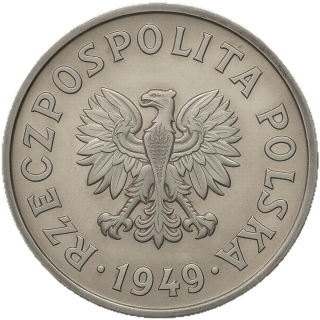 Obverse
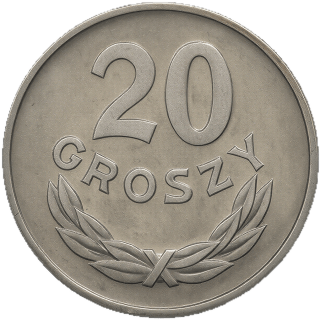 Reverse
Design Features
The obverse of the coin features the year '1949' inscribed prominently, accompanied by the text 'RZECZPOSPOLITA POLSKA,' denoting the Republic of Poland. On the reverse side, '20 GROSZY' is displayed, emphasizing the denomination of the coin. The minimalist yet elegant design of this coin reflects the austerity of the post-war era.
Technical Specifications
This Poland 20 groszy coin weighs 1.00g and has a diameter of 20.00mm. Crafted from aluminum, it embodies the economic constraints prevalent in the aftermath of the war. The choice of material and dimensions align with the necessity for cost-effective coin production during that period.
Collectible Value
Despite its modest denomination, the Poland 20 groszy 1949 coin holds significant collectible value among numismatists. Its historical context, coupled with the limited mintage of these coins, contributes to their desirability. Collectors often seek out this piece to complete their Polish coin collections, adding a touch of historical significance to their portfolios.
Conclusion
In conclusion, the Poland 20 groszy 1949 coin stands as a testament to Poland's enduring spirit in the face of adversity. Its simple yet symbolic design, coupled with its historical background, makes it a prized possession for both collectors and enthusiasts of numismatics. Owning this coin not only adds value to a collection but also preserves a piece of Poland's post-war history for generations to come.

ScanMyCoin: AI Coin Recognition
Professional AI coin recognition and collection management platform. Identify, learn, and track your coin collection with advanced AI technology and a vast.