

Poland Poland 1 talar, 1639-1648
Description:
1 talar Poland 1 talar, 1639-1648 coin from Poland. Design, history & value.
Introduction
The Poland 1 talar coin minted between 1639 and 1648 holds a significant place in numismatic history. Issued during the reign of Władysław IV, this silver coin showcases intricate designs and historical importance that captivate collectors worldwide.
Historical Background
Poland, under the rule of Władysław IV from 1632 to 1648, experienced a flourishing period in art, culture, and coinage. The 1 talar coin was a representation of Poland's economic stability and the king's influence on the country's numismatic landscape.
Coin Images
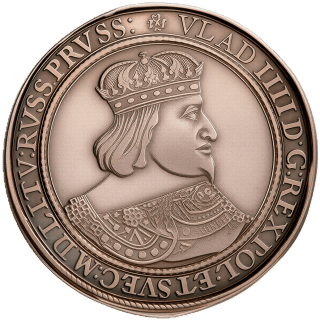 Obverse
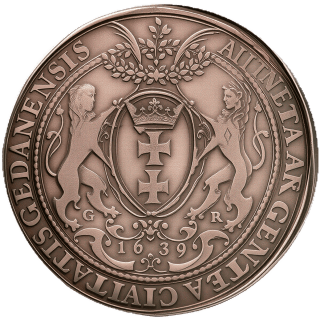 Reverse
Design Features
The obverse of the coin features the inscription "VLAD IIII D G REX POL ET SVE M D LIT RVS PR," highlighting the royal title of Władysław IV. On the reverse, the coin displays "MONETA ARGENTEA CIVITATIS GEDANENSIS," denoting the silver coin of the city of Gdańsk.
Technical Specifications
This silver coin weighs 28.83g and has a diameter of 45.00mm, making it substantial in size and weight. Crafted from high-quality silver, the coin's composition adds to its allure and collectible value.
Collectible Value
The Poland 1 talar coin from the Władysław IV era holds significant market value among numismatists. Its historical significance, coupled with its rarity and intricate design, makes it a prized addition to any coin collection. Collectors often seek out this coin for its unique representation of Polish history and numismatic artistry.
Conclusion
In conclusion, the Poland 1 talar silver coin minted between 1639 and 1648 under Władysław IV's reign is a numismatic treasure that embodies the rich history of Poland. Its exquisite design, historical significance, and collectible value make it a must-have for collectors passionate about rare and unique coins. By exploring the intricate details and historical context of the Poland 1 talar coin, collectors can appreciate the artistry and craftsmanship of this remarkable piece of Polish numismatic history.

ScanMyCoin: AI Coin Recognition
Professional AI coin recognition and collection management platform. Identify, learn, and track your coin collection with advanced AI technology and a vast.