

Poland Poland 1 solid, ND (1669)
Description:
1 solid Poland 1 solid, ND (1669) coin from Poland. Design, history & value.
Introduction:
The Poland 1 solid silver coin, minted in ND (1669), during the reign of King Michał Korybut Wiśniowiecki, holds a significant place in numismatic history. This coin not only reflects the artistic prowess of its era but also encapsulates a fascinating period in Polish coinage.
Historical Background:
Issued by Poland, the 1 solid coin of 1669 was part of the circulating currency during the rule of King Michał Korybut Wiśniowiecki. Known for its turbulent history, Poland's coinage often mirrored the political and cultural changes of the time. This particular coinage era marked a transition period in Polish numismatics.
Coin Images
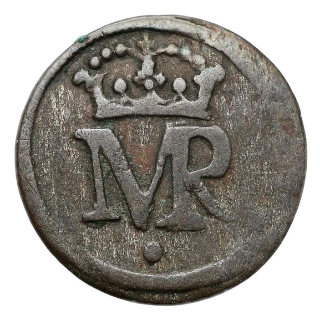 Obverse
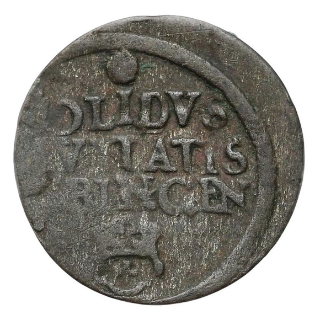 Reverse
Design Features:
The obverse of the coin features the monogram "MR", possibly representing the issuing authority or a mintmaster's initials. On the reverse, the inscription "SOLIDUS CIVITATIS ELBINGEN" signifies the city of Elbingen (modern-day Elbląg) where the coin was minted. The simplicity and elegance of the design reflect the artistic style prevalent during the reign of King Michał Korybut Wiśniowiecki.
Technical Specifications:
This silver coin weighs 0.72g with a diameter of 15.00mm. The use of silver as the primary composition adds to its allure and historical value. The modest size and weight were typical for coins of this era, making it a practical currency for everyday transactions.
Collectible Value:
The Poland 1 solid silver coin from 1669, under the reign of Michał Korybut Wiśniowiecki, holds both historical and collectible significance. Its rarity, coupled with the historical context, makes it a sought-after piece among numismatists and collectors. The market value of this coin can vary based on its condition, historical provenance, and demand within the numismatic community.
Conclusion:
In conclusion, the Poland 1 solid silver coin of 1669 stands as a testament to the rich numismatic heritage of Poland. With its intricate design, historical relevance, and collectible value, this coin serves as a valuable addition to any numismatist's collection. Exploring the depths of Polish coinage through this artifact provides a unique insight into the cultural and economic landscape of the past.

ScanMyCoin: AI Coin Recognition
Professional AI coin recognition and collection management platform. Identify, learn, and track your coin collection with advanced AI technology and a vast.