

Poland Poland 1 solid, 1632-1633
Description:
1 solid Poland 1 solid, 1632-1633 coin from Poland. Design, history & value.
Introduction
The Poland 1 solid coin minted during the years 1632-1633 holds a significant place in numismatic history due to its association with the Swedish occupation of Elbing. This silver coin not only serves as a testament to a specific period but also reflects the political and economic dynamics of its time.
Historical Background
During the Swedish occupation of Elbing from 1626 to 1657, a series of coins were issued to facilitate trade and assert control over the region. The Poland 1 solid coin was part of this numismatic endeavor, showcasing the influence of Sweden in the monetary affairs of the captured territories.
Coin Images
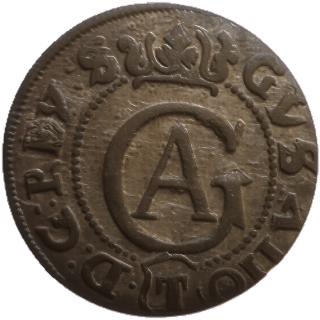 Obverse
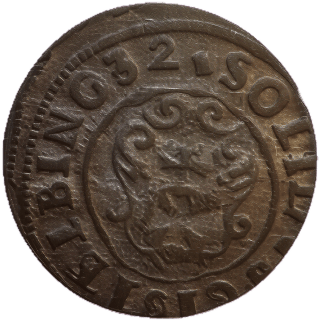 Reverse
Design Features
The obverse of the coin features the inscription "GA / GVS ADO D G REX S," indicating the authority of the ruling monarch. On the reverse side, the legend "SOLIDUS REG SVEC" confirms the coin's denomination and connection to the Swedish regime. The simplicity of the design is characteristic of coins from this era, emphasizing legibility and practicality.
Technical Specifications
This silver coin weighs 0.57g and has a diameter of 16.20mm, making it a small yet significant piece of numismatic history. The use of silver as the primary composition aligns with the prevailing standards of the time, reflecting the intrinsic value attached to precious metals in coinage.
Collectible Value
The Poland 1 solid coin from 1632-1633 holds both historical and collectible significance. As a tangible link to the Swedish occupation of Elbing, this coin appeals to collectors interested in coins from specific periods of political upheaval. Its rarity and connection to a unique historical context enhance its desirability among numismatists.
Conclusion
In conclusion, the Poland 1 solid silver coin from the Swedish occupation of Elbing stands as a remarkable artifact of a tumultuous period in history. Its design, composition, and historical background combine to make it a valuable addition to any numismatic collection, offering insights into the intersection of politics, economics, and coinage in the 17th century.

ScanMyCoin: AI Coin Recognition
Professional AI coin recognition and collection management platform. Identify, learn, and track your coin collection with advanced AI technology and a vast.