

Philippines Philippines 1 peso, 1913
Description:
1 peso Philippines 1 peso, 1913 coin from Philippines. Design, history & value.
Introduction
The Philippines 1 peso 1913 coin holds a unique place in the realm of numismatics as part of the Leprosarium Coinage series. Issued specifically for use in the Culion Leper Colony, this coin not only serves as a symbol of historical significance but also showcases the intersection of public health initiatives and currency circulation.
Historical Background
In 1913, the Philippines, then under U.S. administration, introduced the 1 peso coin for circulation within the Culion Leper Colony. The Culion Leprosarium, located on Culion Island, was established to combat the spread of leprosy and provide medical care to those affected. The issuance of this coin was a testament to the government's commitment to support the colony's economy and facilitate transactions within its isolated community.
Coin Images
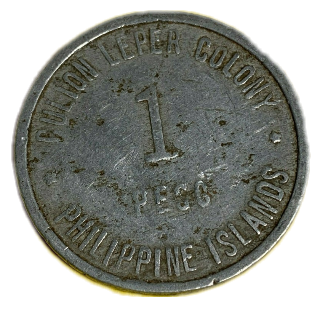 Obverse
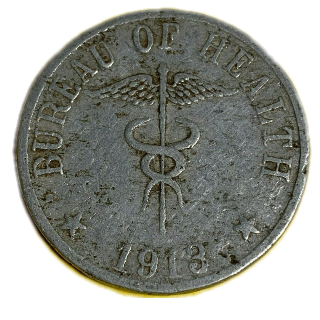 Reverse
Design Features
The obverse of the coin features the denomination "1 PESO" above the inscription "CULION LEPER COLONY" and "PHILIPPINE ISLANDS," highlighting its specific intended use. On the reverse, the year "1913" is displayed above the "BUREAU OF HEALTH" inscription, emphasizing the coin's association with public health initiatives.
Technical Specifications
- Denomination: 1 peso
- Issuing Authority: Philippines
- Composition: Aluminium
- Diameter: 35.40mm
- Weight: Standard weight for aluminium coins of the era
Collectible Value
The Philippines 1 peso 1913 coin is highly sought after by collectors due to its historical significance and limited mintage. As a piece of Leprosarium Coinage, it appeals to numismatists interested in coins with unique backgrounds. The scarcity of these coins in the market further enhances their collectible value, making them prized additions to any collection.
Conclusion
In conclusion, the Philippines 1 peso 1913 coin stands as a tangible link to the past, representing not only a form of currency but also a symbol of the government's efforts to address public health challenges. Its distinctive design and historical context make it a valuable piece for collectors and a fascinating artifact for those interested in the intersection of numismatics and public health history.

ScanMyCoin: AI Coin Recognition
Professional AI coin recognition and collection management platform. Identify, learn, and track your coin collection with advanced AI technology and a vast.