

Palatinate Palatinate ½ kreuzer, 1728-1734
Description:
½ kreuzer Palatinate ½ kreuzer, 1728-1734 coin from Palatinate. Design, history & value.
Introduction
The Palatinate ½ kreuzer coin, minted between 1728 and 1734 in the Electoral Palatinate region, holds a unique place in numismatic history. This silver coinage reflects the cultural and economic landscape of the Palatinate during the early 18th century.
Historical Background
The Electoral Palatinate, a prominent state within the Holy Roman Empire, issued the ½ kreuzer coins to facilitate daily transactions among its populace. The period spanning from 1728 to 1734 was characterized by political stability and economic growth in the Palatinate region, making these coins an integral part of daily commerce.
Coin Images
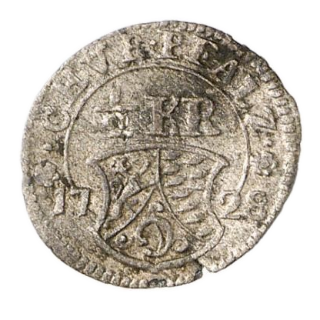 Obverse
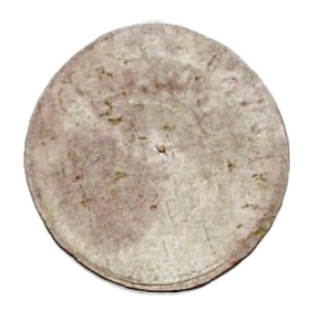 Reverse
Design Features
The obverse of the coin features the inscription "½ KR" above "CHVR PFALZ," denoting the half kreuzer denomination and the title of the ruler as the Count Palatine of the Rhine. The reverse side may showcase the coat of arms or other heraldic symbols associated with the Palatinate's ruling house.
Technical Specifications
The Palatinate ½ kreuzer coin typically measures [specify size], weighs [specify weight], and is composed of silver. These coins were minted to exacting standards, reflecting the skilled craftsmanship of the era.
Collectible Value
Due to their historical significance and limited mintage period, Palatinate ½ kreuzer coins are highly sought after by collectors. The market value of these coins can vary based on factors such as condition, rarity, and demand among collectors. As a tangible link to the past, these coins hold both numismatic and historical value.
Conclusion
In conclusion, the Palatinate ½ kreuzer silver coin from 1728 to 1734 represents a fascinating piece of numismatic history. Its intricate design, historical significance, and collectible value make it a prized addition to any coin collection. Whether for its beauty, rarity, or historical context, this coin continues to captivate collectors and enthusiasts alike.

ScanMyCoin: AI Coin Recognition
Professional AI coin recognition and collection management platform. Identify, learn, and track your coin collection with advanced AI technology and a vast.