Nuremberg, Free imperial city of 6 Ducats - Gustav II Adolphus
Description:
6 Ducats 6 Ducats - Gustav II Adolphus coin from Nuremberg, Free imperial city of. Design, history & value.
[SEO TITLE]: Discover the Rare 6 Ducats Coin of Nuremberg: Gustav II Adolphus 1632 [SEO DESCRIPTION]: Explore the historic 6 Ducats coin from Nuremberg, featuring Gustav II Adolphus. [KEYWORDS]: Nuremberg coin, 6 Ducats, Gustav II Adolphus, gold coin, 1632 Ducats, rare coin, numismatics
Introduction
The 6 Ducats coin from 1632, issued by the Free Imperial City of Nuremberg, stands as a remarkable piece of numismatic history. This gold coin, featuring the likeness of Gustav II Adolphus, encapsulates a unique blend of artistry, history, and rarity. For collectors and historians alike, it offers a tangible link to the past, reflecting the socio-political landscape of 17th-century Europe. In this article, we delve into the coin's historical significance, design intricacies, and its place in the numismatic world.
Historical Background
The 6 Ducats coin was minted in 1632, a pivotal year during the Thirty Years' War, a conflict that reshaped the political and religious map of Europe. Gustav II Adolphus, the King of Sweden, was a central figure in this war, known for his military prowess and strategic acumen. His influence extended beyond Sweden, affecting the balance of power across Europe. Nuremberg, a significant free imperial city within the Holy Roman Empire, chose to commemorate his impact by issuing this coin. The 6 Ducats not only served as currency but also as a political statement, symbolizing allegiance and respect towards Gustav II Adolphus.
Coin Images
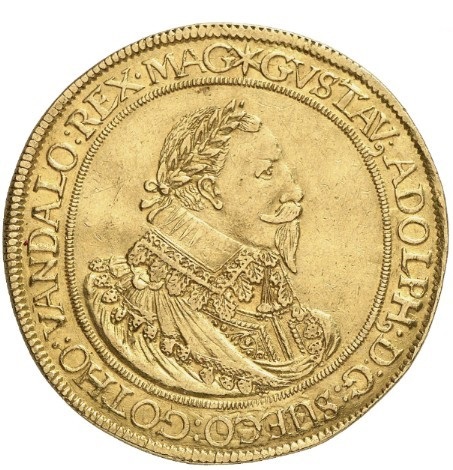 Obverse
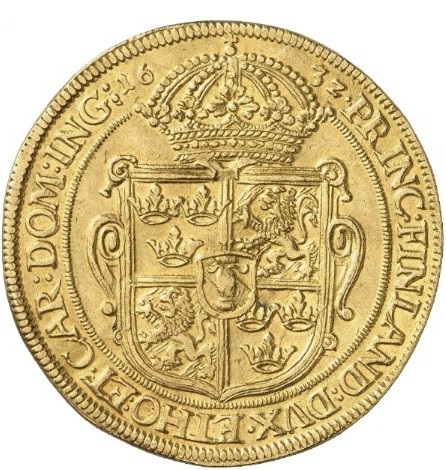 Reverse
Design Features
Obverse Design: The obverse of the 6 Ducats coin features a detailed laureate bust of Gustav II Adolphus facing right. This portrait embodies the regal and commanding presence of the Swedish king. The intricate detailing of the laurel crown and his attire highlight the craftsmanship of the minting process, emphasizing both authority and nobility. Reverse Design: The reverse showcases the crowned arms of Nuremberg, a testament to the city's autonomy and prestige within the Holy Roman Empire. The arms are meticulously crafted, with the crown symbolizing sovereignty and the shield representing the city's rich heritage. This side of the coin serves as a cultural and historical emblem of Nuremberg during the early 17th century.
Technical Specifications
The 6 Ducats coin is composed of high-quality gold with a purity of 98.6%, making it not only a piece of historical significance but also a valuable asset. Weighing 21.00 grams, it reflects the standardized weight for ducat coins of its era, ensuring its role in trade and commerce. The coin's dimensions, though not specified, conform to the typical ducat standards of the period, ensuring its authenticity and historical accuracy.
Collectible Value
The 6 Ducats coin from 1632 is a prized possession for collectors, given its historical context and rarity. Its limited mintage, coupled with the legacy of Gustav II Adolphus, enhances its desirability in the numismatic market. The coin's high gold content further amplifies its value, making it a sought-after piece for investors and collectors alike. Market demand for coins from this era, especially those with such historical resonance, often leads to competitive pricing at auctions and private sales.
Conclusion
The 6 Ducats coin of Nuremberg, featuring Gustav II Adolphus, is more than just a piece of gold; it is a relic of a turbulent but transformative period in European history. Its exquisite design, coupled with its historical and collectible value, makes it a distinguished artifact in the realm of numismatics. For enthusiasts and historians, this coin offers a captivating glimpse into the past, embodying the legacy of a significant era and the enduring allure of rare currency.

ScanMyCoin: AI Coin Recognition
Professional AI coin recognition and collection management platform. Identify, learn, and track your coin collection with advanced AI technology and a vast.