
Nuremberg, Free imperial city of 5 Ducats - Gustav II Adolphus
Description:
5 Ducats 5 Ducats - Gustav II Adolphus coin from Nuremberg, Free imperial city of. Design, history & value.
[SEO TITLE]: Nuremberg's 5 Ducats - Gustav II Adolphus: A Gold Coin Treasure [SEO DESCRIPTION]: Discover Nuremberg's rare 5 Ducats coin of 1632. [KEYWORDS]: Nuremberg coins, 5 Ducats, Gustav II Adolphus, gold coin, rare coins, numismatics, 1632 coins
Introduction
The 5 Ducats - Gustav II Adolphus coin from Nuremberg is a numismatic gem that captivates both seasoned collectors and history enthusiasts. Minted in 1632, this gold coin is a testament to the rich historical tapestry of the period, reflecting both the artistic ingenuity and the political climate of its time. This article explores the unique features and enduring allure of this exceptional coin, which stands as a symbol of Nuremberg's prominence in the early 17th century.
Historical Background
The 5 Ducats coin was issued by the Free Imperial City of Nuremberg, a significant hub of commerce and culture during the Holy Roman Empire. The year 1632, when this coin was minted, was a pivotal period in European history. It was the height of the Thirty Years' War, a conflict that reshaped the continent's political landscape. Gustav II Adolphus, the Swedish king depicted on the coin, was a key figure in this war, renowned for his military prowess and influence in the Protestant Reformation. Nuremberg, known for its strategic location and political independence, played a crucial role in the socio-economic dynamics of the era. By producing such coins, the city not only demonstrated its wealth but also its allegiance to important political figures like Gustav II Adolphus.
Coin Images
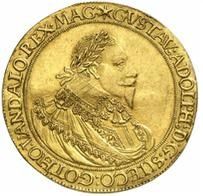 Obverse
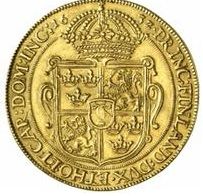 Reverse
Design Features
Obverse Design: The obverse of the 5 Ducats features a striking laureate bust of Gustav II Adolphus facing right. This design encapsulates the regal and authoritative presence of the Swedish king. The laureate head is a classic symbol of victory and honor, aligning with Gustav's image as a victorious leader. Reverse Design: On the reverse, the coin showcases the crowned arms of Nuremberg, an emblem of the city's autonomy and influence. The intricate detailing of the crown and coat of arms highlights the craftsmanship and artistry prevalent in the minting process of the era.
Technical Specifications
The 5 Ducats coin is composed of remarkably pure gold, with a fineness of .986, reflecting the high standards of Nuremberg's minting operations. Weighing 17.26 grams, this coin is a substantial piece, both in terms of physical presence and intrinsic value. Such specifications not only underscore the wealth of the issuing city but also ensure that the coin remains a highly sought-after item among collectors.
Collectible Value
In the numismatic market, the 5 Ducats - Gustav II Adolphus coin holds significant value due to its rarity and historical significance. Coins from this period, especially those featuring prominent historical figures, are highly prized. The limited minting period of 1632 further adds to its scarcity, making it a rare find. Collectors often seek this coin for its exquisite design and the fascinating historical narrative it represents. Its composition of nearly pure gold also enhances its attractiveness, offering both a collectible and an investment value. The rarity and condition of such coins can lead to a substantial market price, reflecting their desirability and the competitive demand among collectors.
Conclusion
The 5 Ducats - Gustav II Adolphus coin from Nuremberg is more than just a piece of currency; it is a historical artifact that bridges the past and present. Its intricate design, combined with the rich historical context of its issuance, makes it an invaluable addition to any collection. Whether you are a numismatist or a history aficionado, this coin offers a glimpse into the dynamic world of 17th-century Europe, characterized by political change and artistic excellence. As such, it continues to captivate and inspire, standing as a testament to the enduring legacy of its time.

ScanMyCoin: AI Coin Recognition
Professional AI coin recognition and collection management platform. Identify, learn, and track your coin collection with advanced AI technology and a vast.