

Nürnberg Nürnberg 1 thaler, 1754
Description:
1 thaler Nürnberg 1 thaler, 1754 coin from Nürnberg. Design, history & value.
Introduction
The Nürnberg 1 thaler 1754 coin holds a significant place in numismatic history as a prime example of the coinage issued by the Free Imperial City of Nürnberg. This silver coin not only showcases the craftsmanship of the time but also reflects the political and economic landscape of the era.
Historical Background
Issued in 1754 by the city of Nürnberg, this 1 thaler coin was part of the currency system of the Free Imperial City of Nürnberg, which lasted from 1754 to 1807. The city, known for its economic prosperity and cultural heritage, minted coins to facilitate trade and establish its presence in the numismatic world.
Coin Images
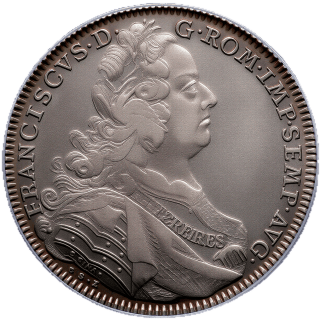 Obverse
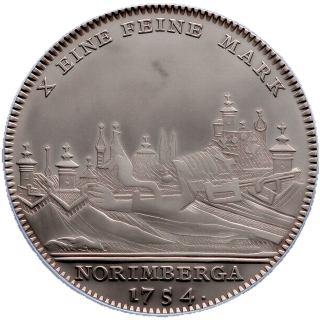 Reverse
Design Features
The obverse of the Nürnberg 1 thaler 1754 coin features the year "1754" above the inscription "NORIMBERGA" and "X EINE FEINE MARK," highlighting the coin's denomination. On the reverse side, you'll find the initials "CGL" along with the Latin inscriptions "FRANCISCVS D G ROM IMP SEMP AVG" and "PPW," representing the issuing authority and the reigning Roman Emperor, Francis I.
Technical Specifications
This silver coin weighs 27.72g and has a diameter of 41.00mm, making it a substantial piece in terms of both weight and size. Crafted from silver, the Nürnberg 1 thaler 1754 coin embodies the traditional monetary standards of the time.
Collectible Value
The Nürnberg 1 thaler 1754 coin is highly sought after by collectors due to its historical significance and intricate design. Its market value can vary based on factors such as condition, rarity, and demand within the numismatic community. As a piece from the Free Imperial City of Nürnberg's coinage, it holds both historical and collectible importance, appealing to enthusiasts and investors alike.
Conclusion
In conclusion, the Nürnberg 1 thaler 1754 silver coin stands as a testament to the rich numismatic heritage of the Free Imperial City of Nürnberg. With its striking designs and historical context, this coin is a prized addition to any collection, offering a glimpse into the economic and cultural landscape of 18th-century Germany. Whether for its aesthetic appeal or its historical value, this coin remains a cherished artifact in the world of numismatics.

ScanMyCoin: AI Coin Recognition
Professional AI coin recognition and collection management platform. Identify, learn, and track your coin collection with advanced AI technology and a vast.