

Nassau Nassau ½ gulden, 1856-1860
Description:
½ gulden Nassau ½ gulden, 1856-1860 coin from Nassau. Design, history & value.
Introduction
The Nassau ½ gulden coin, minted between 1856 and 1860, holds a significant place in numismatic history. As a product of the Duchy of Nassau, this silver coin represents a fascinating era in European coinage. Let's delve into the historical background, intricate design features, technical specifications, and collectible value of this remarkable coin.
Historical Background
The Duchy of Nassau, located in present-day Germany, issued its own coinage during the 19th century. The ½ gulden denomination was a prominent coin in circulation, reflecting the economic and political landscape of the time. These coins bore the name of Adolph, Herzog zu Nassau, the ruling authority during this period. The coinage system of Nassau underwent changes over the years, making these coins a valuable representation of the region's monetary history.
Coin Images
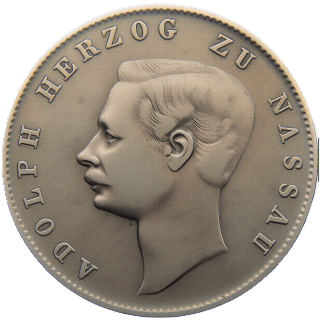 Obverse
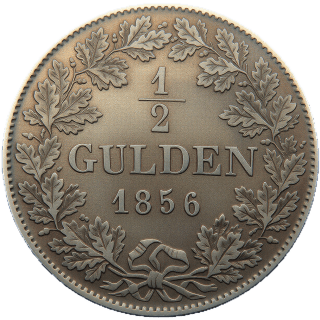 Reverse
Design Features
The obverse of the Nassau ½ gulden coin features a striking depiction of Adolph, Herzog zu Nassau, surrounded by intricate detailing symbolizing the ducal authority. On the reverse side, the denomination "1/2 GULDEN" is prominently displayed, accompanied by ornate patterns typical of coins from this era. The design elements showcase the artistic craftsmanship of the time and provide a glimpse into the cultural heritage of Nassau.
Technical Specifications
- Composition: Silver 0.900
- Weight: 5.30g
- Diameter: 24.15mm The Nassau ½ gulden coin's specifications attest to its quality and standard as a silver coin of the Duchy. The precise measurements and silver content make it a desirable piece for collectors interested in historical European coinage.
Collectible Value
Today, the Nassau ½ gulden coin holds both historical and collectible value. Due to its limited mintage and association with a specific period in Nassau's history, these coins are sought after by numismatists worldwide. The rarity of well-preserved specimens adds to their appeal among collectors, contributing to their market value. Understanding the historical context and significance of these coins enhances their collectible value, making them prized additions to numismatic collections.
Conclusion
In conclusion, the Nassau ½ gulden silver coin of 1856-1860 stands as a testament to the rich numismatic heritage of the Duchy of Nassau. Its historical significance, intricate design, and technical specifications make it a valuable piece for collectors and enthusiasts alike. By appreciating the artistry and history encapsulated in this coin, one can truly grasp its enduring value in the world of numismatics.

ScanMyCoin: AI Coin Recognition
Professional AI coin recognition and collection management platform. Identify, learn, and track your coin collection with advanced AI technology and a vast.